2023 AgrAbility National Training Workshop
Save the date for the 2023 NTW! Join AgrAbility March 19-23, 2023, at The Centennial Hotel in Spokane, Washington. Learn More

Save the date for the 2023 NTW! Join AgrAbility March 19-23, 2023, at The Centennial Hotel in Spokane, Washington. Learn More
Summary: In this short webinar, you will learn about the basics of avian influenza, learn about the HPAI outbreak in 2022, how outbreak control works, and what people should do if they suspect a bird is potentially ill with avian influenza. Intended Audience: Poultry producers, health care providers, veterinarians, Extension and university staff, farmers and growers,Read More

Summary: As people spend more time outdoors, so do many insects and pests. Among them are ticks, which are small bloodsucking insects. The deer tick (also known as the black-legged tick) is found mainly in the Eastern and upper Midwestern regions of the U.S. It can cause conditions such as Lyme disease – the mostRead More
During the week of May 14-20, the Association of Farmworker Opportunity Programs will be hosting the National Farmworker Women’s Health Week (NFWHW) to increase public consciousness and understanding of the health risks farmworker women face. During this week, AFOP will be conducting several activities including a social media campaign.

Summary: Farm Rescue’s mission is to help farmers and ranchers who have experienced a major illness, injury, or natural disaster by providing the necessary equipment and volunteer workforce to plant, hay or harvest their crop. Come explore why Farm Rescue was founded and how the organization has grown through time. Intended Audience: Anyone who worksRead More

Summary: The intersection of the identities of “queer” and “farmer” creates a unique set of challenges and inspirations for the people who inhabit it. Hannah will share her personal experience and motivations as a queer farmer and will discuss some of the ways that queer farmers have come together to support and celebrate each otherRead More

Summary: Animal depopulation is associated with distressing psychological impacts on people. These impacts affect many stakeholders including veterinarians, producers, public health officials, and others who make decisions about and carry out depopulation. The Animal Depopulation Resiliency Check-in Tool (ADRCT) is a five-question public health protocol for stakeholders who are preparing for, participating in, and recoveringRead More
This course is designed to examine key health and safety issues specific to rural and agricultural workers. Experts will present course material relevant to those working in health care, public health, education, and safety professions. You may choose to participate in any or all of the three sessions. The in-person sessions will be held inRead More
Summary: As people spend more time outdoors, so do many insects and pests. Among them are ticks, which are small bloodsucking insects. The deer tick (also known as the black-legged tick) is found mainly in the Eastern and upper Midwestern regions of the U.S. It can cause conditions such as Lyme disease – the mostRead More

Summary: Launched in February 2022, AgriSafe’s FarmResponse is an on-demand interactive course through AgriSafe’s Learning Lab. The FarmResponse course addresses farm and ranching cultural competencies for healthcare providers and specialists by exploring the effects of financial stress, land ownership and legacy issues, substance use, suicide, and the work of agriculture on mental wellbeing. The curriculumRead More

Summary: Farmers, ranchers, and ag operators were deemed ‘essential’ during the COVID19 pandemic. Learning how to protect employees, families, clients, and the community evolved throughout the pandemic and uncertainty was often difficult to navigate. During this webinar, we hope to bring forward some of the lessons learned during the pandemic and help share strategies forRead More
Summary: Agricultural workers are exposed to infectious agents that can lead to illness, lost time away from work, and other economic stress. A long-term illness may also negatively affect the workers’ family and their employer. In this fast-paced session, learn about emerging, reemerging, and long-standing infectious disease health risks. From Aspergillus to zoonotic diseases, youRead More
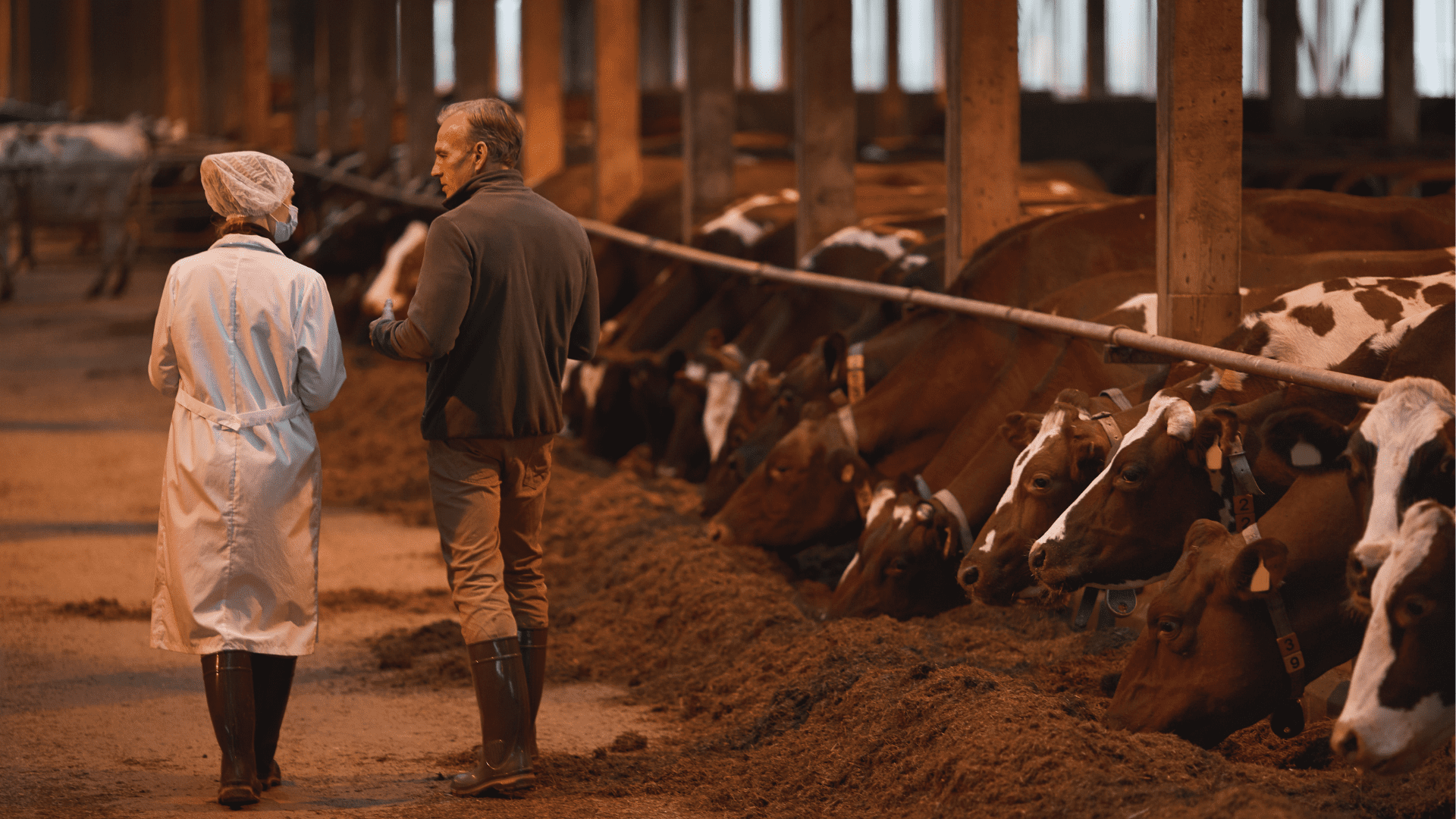
Summary: Confined spaces such as tanks and storage bins are recognized workplace hazards on agricultural production settings. Manure storage facilities are often not recognized as confined spaces, especially on dairy farms. These facilities meet the definition of a confined space as they can expose workers to toxic gases and other hazards. The purpose of thisRead More
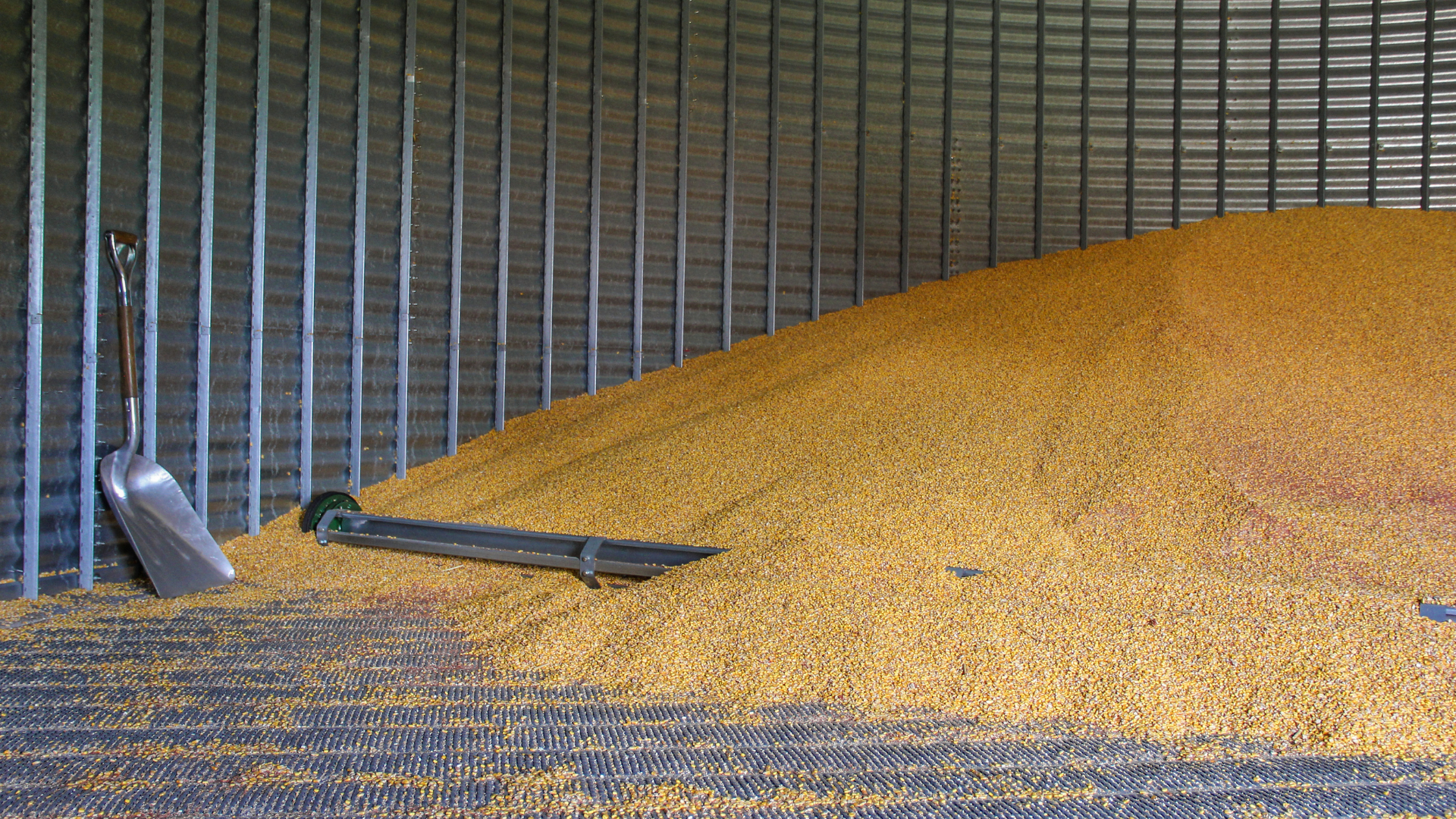
Summary: In this informative presentation, we will explore the world of grain safety, shedding light on various types of incidents and the alarming statistics surrounding them. We will delve into the immense pressure exerted by grain, a contributing factor to the severity of injuries and tragic fatalities. Moreover, we will examine the distinction between youthRead More

Summary: Dr. Merendino will present the Importance of Foot Health in Agriculture in the first half of the presentation. He will address important practices and provide examples of foot health issues to take action on. Karen will finish with a presentation on her extension fieldwork with the ag/hort growers along with Dr. Merendino including a field day programRead More
Summary: As people spend more time outdoors, so do many insects and pests. Among them are ticks, which are small bloodsucking insects. The deer tick (also known as the black-legged tick) is found mainly in the Eastern and upper Midwestern regions of the U.S. It can cause conditions such as Lyme disease – the mostRead More
Summary: As people spend more time outdoors, so do many insects and pests. Among them are ticks, which are small bloodsucking insects. The deer tick (also known as the black-legged tick) is found mainly in the Eastern and upper Midwestern regions of the U.S. It can cause conditions such as Lyme disease – the mostRead More

Summary: Agriculture is ranked as one of the most dangerous occupations and involves workers and families of all ages, but injuries can be prevented if we use the right protective equipment for the job. This program will present an overview of common exposures in farming and ranching. Students can discuss those exposures and determine theRead More

Summary: COVID-19, Influenza, and RSV are all viruses spread by droplets and direct contact with infected people. Each virus has its specific causes, symptoms, severity, and vaccines for prevention. The distinction of these viruses is critical, especially given the multiple barriers and exposure factors for agricultural workers. This presentation will explore the risks agricultural workersRead More
Summary: As people spend more time outdoors, so do many insects and pests. Among them are ticks, which are small bloodsucking arachnids. The deer tick (also known as the black-legged tick) is found mainly in the Eastern and upper Midwestern regions of the U.S. It can cause conditions such as Lyme disease – the mostRead More

Summary: In the wake of the global impact of severe acute respiratory syndrome coronavirus 2 (SARS-CoV-2) and the ensuing coronavirus disease 19 (COVID-19), the urgency to safeguard agricultural employees from infectious diseases has become paramount. Acknowledging the rapid and profound effects of the pandemic on a global scale, particularly its impact on individuals engaged inRead More

Summary: In the San Luis Valley, Colorado – community leaders have voiced increasing concern for the behavioral health of workers in the agriculture industry. Using Total Worker Health® and Total Farmer Health® frameworks, we developed an interactive worker wellbeing assessment. Approximately 118 participants responded to our survey with a completion rate adequate for analysis. ThisRead More

Summary: This webinar will address non-allergic respiratory hazards (dusts, mists, fumes, and gases) affecting agricultural worker, farmers, and farm families living and working in agricultural environments. The focus will be on recognizing and preventing environmental and occupational exposures that may result in morbidity and mortality resulting from unprotected or unrecognized respiratory hazards. The webinar willRead More
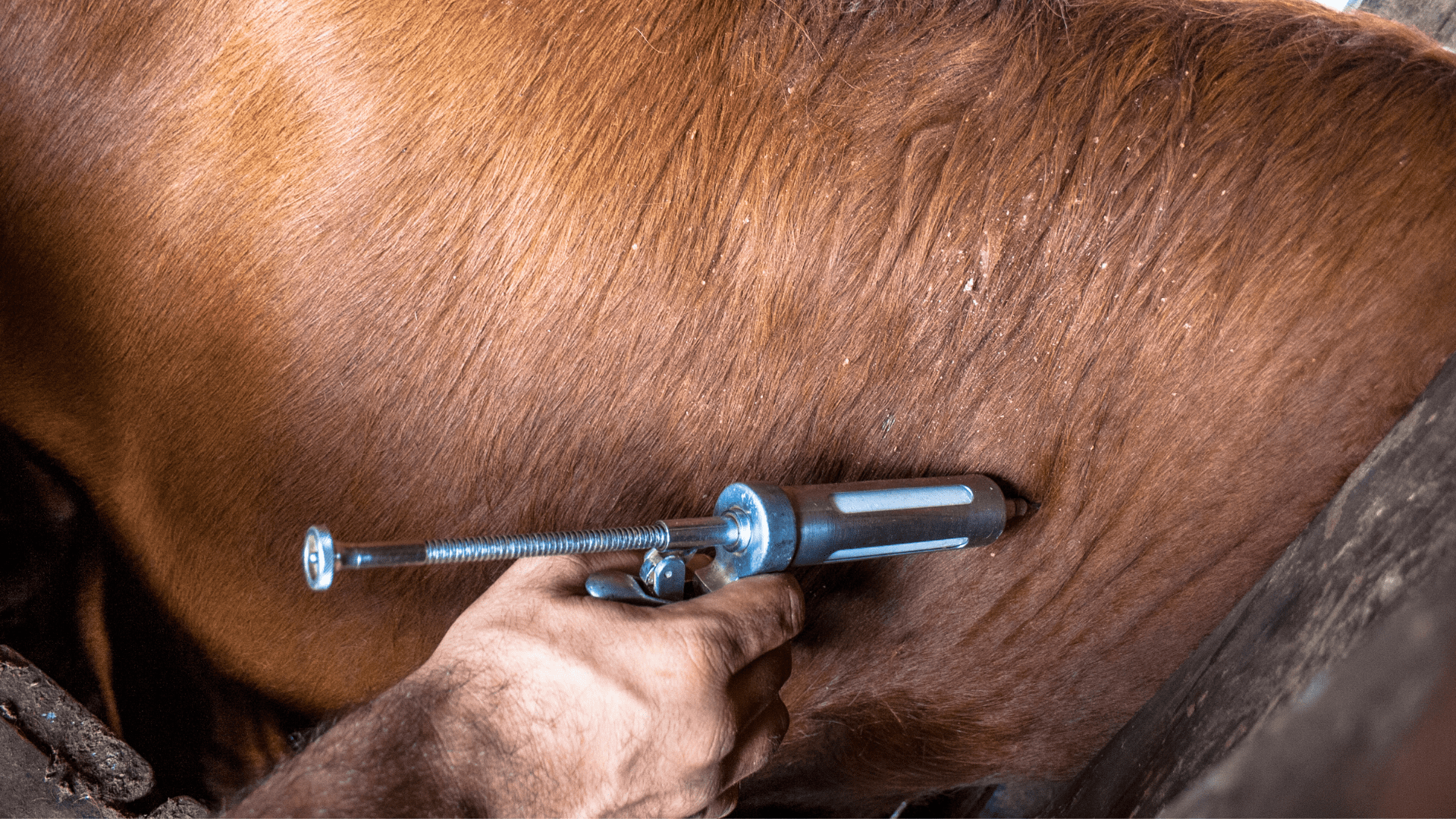
Summary: We will review needlestick injuries in animal agriculture. This includes type of injuries and associated costs. This includes a review of veterinary medicines associated with needlesticks and best practices to reduce needlestick injuries in an agricultural context. Objectives: At the end of this webinar participants will be able to: Highlight potential risks associated withRead More

Summary: Hazardous materials lurk around many corners of farm shops, buildings, and barns. The health impacts of organic and inorganic exposures can be mild to devastating. Be prepared and be ready to handle identifiable and nonidentifiable materials during everyday farm and ranch work as well as during emergencies. In this training, we will discuss actionRead More

Summary: In this webinar, participants will gain insights into the critical role of sleep and its function in maintaining physical, mental, and emotional health. The presentation will review the impact of sleep disorders, common sleep conditions, and the serious health effects of sleep deprivation, including increased risks for injury and chronic health conditions. Participants willRead More

Summary: Skid loaders are useful and versatile machines in the hands of appropriate operators. To utilize them to their utmost, we must understand there is inherent risk in the operation of the machine. This class will talk over some of the basics of skid loader operation including why there should be no passengers, proper transport, safety features,Read More

Summary: A collision between agriculture equipment and a passenger vehicles on a roadway often result in serious injury or fatalities. Ag equipment is much larger and heavier than personal vehicles. As agriculture changes, even in rural areas, there are fewer residents that are familiar with ag equipment and may not have an understanding how theRead More

Summary: A growing number of studies show that noise increases the risk for broad-ranging physiological and psychological illnesses such as cardiovascular disease, depression, behavioral problems, and cognition (among others). This session will provide participants with state-of-the-science information regarding the effects of occupational and environmental noise on health. A variety of methods to protect adults andRead More

Summary: CALM (Conversations on Access to Lethal Means) is a suicide prevention training that encourages safe storage of lethal means (firearms and medications) during a suicidal crisis. By temporarily putting time and distance between a suicidal person and highly lethal means, a life may be saved. CALM: Counseling on Access to Lethal Means was originally created asRead More

Summary: Research shows that working with other family members and succession planning are top stressors for farmers. This presentation will provide an overview of common barriers to planning for the next generation of owners/managers for family-owned farms. It will discuss recent research on what service professionals need from the owners to better serve their successionRead More

Summary: The agriculture industry faces a shortage of skilled farmers with many experienced farmers nearing retirement age. We will highlight how farmers can utilize Registered Apprenticeship Programs (RAPs) to train the next generation of farmers, combining classroom and online learning with hands-on experience on working farms. Intended Audience: Business owners, HR staff, Ag educators, workforceRead More

Summary: This session aims to provide attendees the tools necessary to equip their students with a comprehensive understanding of the health risks associated with vaping, debunk common myths, and foster critical thinking and informed decision-making skills. Through detailed exploration of vaping's short-term and long-term effects, interactive discussions, and evidence-based counterarguments, attendees will learn a varietyRead More

Summary: This webinar presents an in-depth analysis of records from the OSHA Accident Database, focusing on incidents coded as "Oxygen Deficiency," "Confined Space," and "Toxic Fume" from January 1, 2014, to May 23, 2024. The presentation will identify trends, common causes, and effective preventive measures for these hazardous conditions. Through a detailed examination of theseRead More
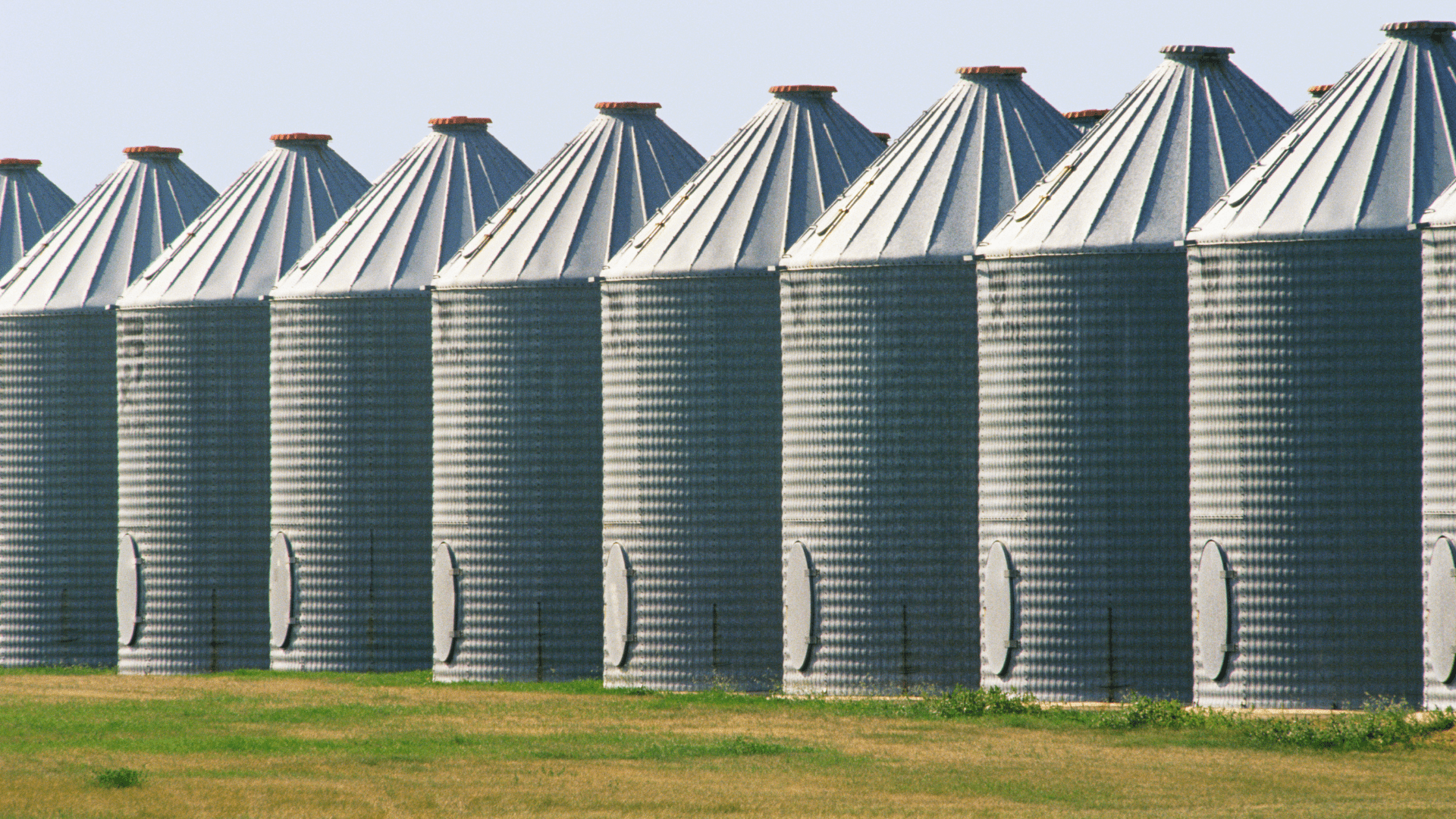
Summary: A review of the literature related to the problem of grain related entrapments and engulfments clearly suggests that the most effective response is to focus on rescuing workers once entrapped. The evidence shows that this approach is both inconsistent with the data and has generated little progress in reducing the frequency and severity ofRead More

Summary: A recent publication has estimated that agricultural injuries are underreported by an astonishing 70%. This webinar will discuss the challenges, barriers, and unintended consequences for suppressing injury reporting in the agricultural workforce. We will also take a look at “good” and “bad” safety incentive programs and how to encourage the workforce to talk aboutRead More

Summary: Wet bulb globe temperature (WBGT) index is the preferred environmental heat metric for heat-related illness (HRI) prevention in the workplace and is typically measured using a heat stress monitor. Measuring the on-site WBGT with a heat stress monitor provides the most accurate localized assessment of a worker’s environmental heat exposure. However, WBGT data mayRead More

Summary: The use of virtual and augmented reality simulators for safety training and health curricula is increasing and more available in fire safety, mining, aviation, and healthcare. The next generation of learners will engage in experiential learning throughout their educational journey, beginning in the classroom, and extending to their mobile devices and on-site activities. This sessionRead More
Summary: CALM (Conversations on Access to Lethal Means) is a suicide prevention training that encourages the safe storage of lethal means (firearms and medications) during a suicidal crisis. By temporarily putting time and distance between a suicidal person and highly lethal means, a life may be saved. CALM: Counseling on Access to Lethal Means was originally createdRead More

Summary: There is growing concern over the role of environmental and occupational exposures in rising cancer rates in Iowa and across the country. People employed in agriculture and related industries in rural areas may face unique environmental and occupational exposures, besides genetic and behavioral risk factors, that can cause cancer. Rural barriers to accessing healthcareRead More
Summary: CALM (Conversations on Access to Lethal Means) is a suicide prevention training that encourages the safe storage of lethal means (firearms and medications) during a suicidal crisis. By temporarily putting time and distance between a suicidal person and highly lethal means, a life may be saved. CALM: Counseling on Access to Lethal Means was originally createdRead More

Summary: Counseling on Access to Lethal Means (CALM) is a powerful addition to existing strategies to reduce the risk of suicide death in at-risk people while respecting their rights and autonomy. Help keep your at-risk clients safe by learning how to collaborate with them to implement safe storage of firearms and dangerous medications. This trainingRead More

Summary: Alpha-gal syndrome (AGS) is an emerging tick-borne allergy to alpha-gal, a sugar found in mammals and products derived from them. These products include food, drugs, personal care and other products. Up to half a million Americans are estimated to be affected by AGS; most live in high-prevalence states in the South, Midwest, and EastRead More

Summary: Farming is one of the most dangerous occupations but also one of the most stressful. Yet, we often hear that farmers work through injuries, illnesses, or burnout even though doing so can delay recovery and in some cases, worsen their condition. In this webinar, Florence Becot from Pennsylvania State University and Andy Bater aRead More

Summary: "From the Heartland to the Hospital" is an insightful review focusing on the critical period between when a trauma incident occurs and when emergency medical services (EMS) or the patient arrives at the emergency department. This review covers best practices, challenges, and strategies for improving outcomes during this crucial time frame. It will exploreRead More
Summary: Counseling on Access to Lethal Means (CALM) is a powerful addition to existing strategies to reduce the risk of suicide death in at-risk people while respecting their rights and autonomy. Help keep your at-risk clients safe by learning how to collaborate with them to implement safe storage of firearms and dangerous medications. This trainingRead More
Summary: CALM (Conversations on Access to Lethal Means) is a suicide prevention training that encourages the safe storage of lethal means (firearms and medications) during a suicidal crisis. By temporarily putting time and distance between a suicidal person and highly lethal means, a life may be saved. CALM: Counseling on Access to Lethal Means was originally createdRead More

Summary: The center of rural communities is farms and those who operate them, but healthy farms and livestock operations need healthy people to care for them and healthy animals that live on them. Objectives: During this presentation, attendees will learn... About diseases that people can give to animals, How to keep diseases off of farms andRead More
Summary: CALM (Conversations on Access to Lethal Means) is a suicide prevention training that encourages the safe storage of lethal means (firearms and medications) during a suicidal crisis. By temporarily putting time and distance between a suicidal person and highly lethal means, a life may be saved. CALM: Counseling on Access to Lethal Means was originally createdRead More

Summary: Agriculture is one of the most hazardous occupations with 1 in 5 agriculture producers being affected by a disability. Transportation incidents, which include tractor overturns and roadway crashes, were the leading cause of death for farmers and farm workers and caused injuries from minor to debilitating. So how can we reduce fatalities and preventRead More

Summary: Tractors and other large ag machines are spending more time on public roads than ever before. As farms expand and equipment grows in size, the risks on rural roadways continue to rise, not just for farmers but for the entire motoring public. This session will explore how design solutions, especially those connected to lighting andRead More

Summary: This webinar will focus on practical strategies to ensure the safety and well-being of youth working on farms, using the Agricultural Youth Work Guidelines (AYWG) and the Hired Agricultural Youth Work Guidelines (HAYWG). This will underscore the importance of aligning job tasks with a child's developmental abilities, rather than age alone, to prevent injuryRead More

Summary: During this webinar, we will explore the dangers of confined spaces in agriculture, including grain bins and manure pits, and the hazards involved in working with each. Objectives: At the end of this webinar, participants will be able to... Raise awareness regarding the high incidence of farm injuries and fatalities. Increase knowledge of the seriousRead More

Summary: Join AgriSafe for a dynamic and collaborative session focused on strengthening disaster readiness, response, and recovery efforts in agricultural and rural communities. This think tank will explore existing resources, highlight critical gaps in infrastructure and preparedness, and facilitate a collective dialogue on how to build more resilient systems. Natural disasters can strike without warning, and being prepared canRead More

Summary: Explore the leading causes of injuries and fatalities involving ATVs and UTVs in agricultural settings. Learn practical safety strategies and best practices to help prevent accidents and protect the agricultural community. Objectives: At the end of this webinar, participants will be able to: To raise ATV and UTV owners and operators' awareness of the hazardsRead More

Summary: Off-road vehicles, including all-terrain vehicles (ATVs) and utility task vehicles (UTVs) are extremely popular and a common source of injury and death in rural areas, especially farms and ranches. While the use of ATVs/UTVs on public roadways increases the likelihood of a crash with another vehicle, the majority of roadway deaths and an even higherRead More

Summary: Driving demands more than skill—it requires awareness, presence, and emotional control. This presentation explores how mindfulness practices can improve focus, reduce stress, and enhance safety on the road. Participants will learn how slow, intentional movements, calm breathing, and emotional regulation can help prevent reactive driving behaviors and fatigue-related crashes. The session also addresses the dangersRead More
Summary: CALM (Conversations on Access to Lethal Means) is a suicide prevention training that encourages the safe storage of lethal means (firearms and medications) during a suicidal crisis. By temporarily putting time and distance between a suicidal person and highly lethal means, a life may be saved. CALM: Counseling on Access to Lethal Means was originally createdRead More

Summary: Join this free webinar to learn the latest information on avian influenza threats affecting workers and animals in the dairy industry. Hear from industry leaders and public health researchers as they share current insights, risks, and prevention strategies. Meet the Presenters: Matthew Nonneman, PhD, CIH, Professor, UNMC Department of Environmental, Agricultural and Occupational HealthRead More

Summary: Join this session to learn how assistive technology is transforming agriculture for farmers and ranchers with disabilities—and how, together, we can build more inclusive rural communities. Objectives: During this presentation, attendees will learn... Physical and cognitive disabilities can create real obstacles in daily farm operations. This might include mobility issues—like climbing onto a tractorRead More

Summary: Join this free webinar to learn the latest information on avian influenza threats affecting workers and animals in the poultry industry. Hear from industry leaders and public health researchers as they share current insights, risks, and prevention strategies. Meet the Presenters: Matthew Nonneman, PhD, CIH, Professor, UNMC Department of Environmental, Agricultural and Occupational Health,Read More