
QPR for Farmers and Farm Families
What is QPR? QPR training teaches laypeople and professionals to recognize and respond to mental health crises using the approach of Question, Persuade and Refer. To attend this training participantsRead More

What is QPR? QPR training teaches laypeople and professionals to recognize and respond to mental health crises using the approach of Question, Persuade and Refer. To attend this training participantsRead More

Summary: Forest workers face unique ergonomic challenges due to their exposure to extreme environmental conditions, heavy workload, and dangerous tools and machines. The forest sector has one of the highest rates of Musculoskeletal Disorders (MSDs), almost 100 times higher than the industrial targets the National Institute for Occupational Safety & Health (NIOSH) set. This programRead More

Summary: The American Foundation for Suicide Prevention (AFSP) provides resources and connections for individuals and communities regarding suicide prevention and postvention. The aftermath of a suicide can be lonely andRead More
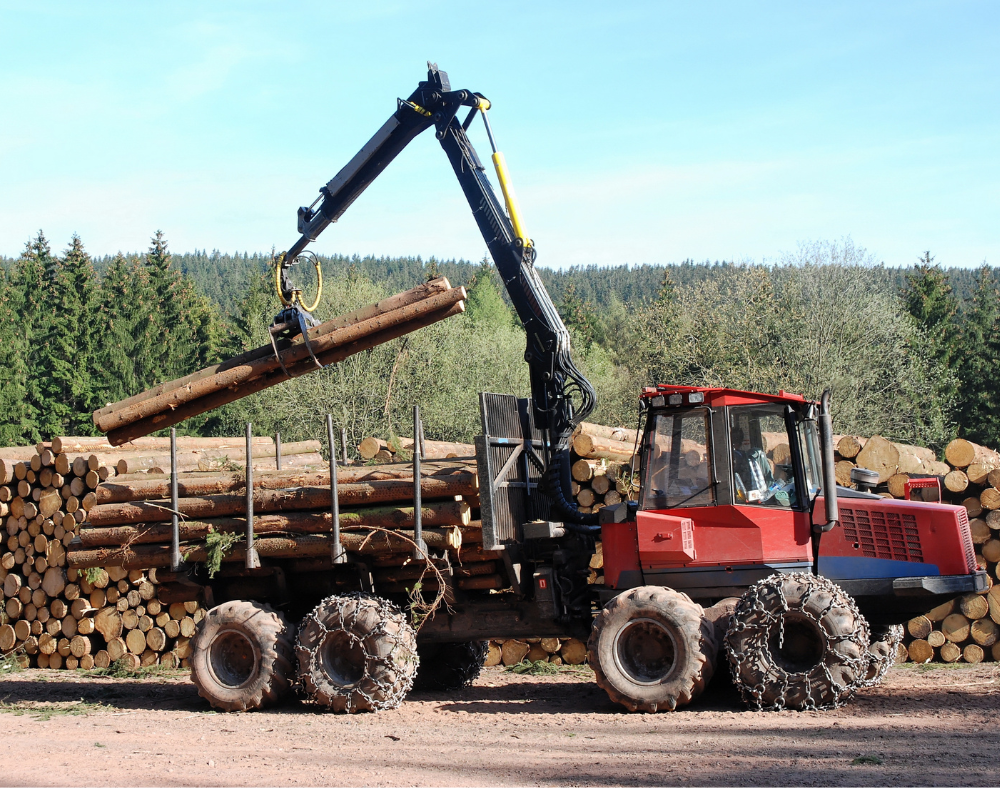
Summary: Forestry and logging workers are exposed to a range of biological hazards, extreme weather, accidents, and – especially for women– assault. Workplace violence is violence or the threat of violence against workers. This training will review the many forms of workplace violence among co-workers, including sexual harassment. The federal Occupational Safety and Health ActRead More

Summary: Suicide prevention and intervention are critical public health strategies for an issue that according to current US statistics is ever-increasing. How can we help those left behind and grieving for loved ones who have died by suicide? AgriSafe is proud to host Dr. Frank Campbell, founder of the National Suicidology Training Center and nationallyRead More
What is QPR? QPR training teaches laypeople and professionals to recognize and respond to mental health crises using the approach of Question, Persuade and Refer. To attend this training participants must be 18 years of age or older. In this 1.5-hour QPR training, we will provide: - Information on the unique challenges farmers face thatRead More
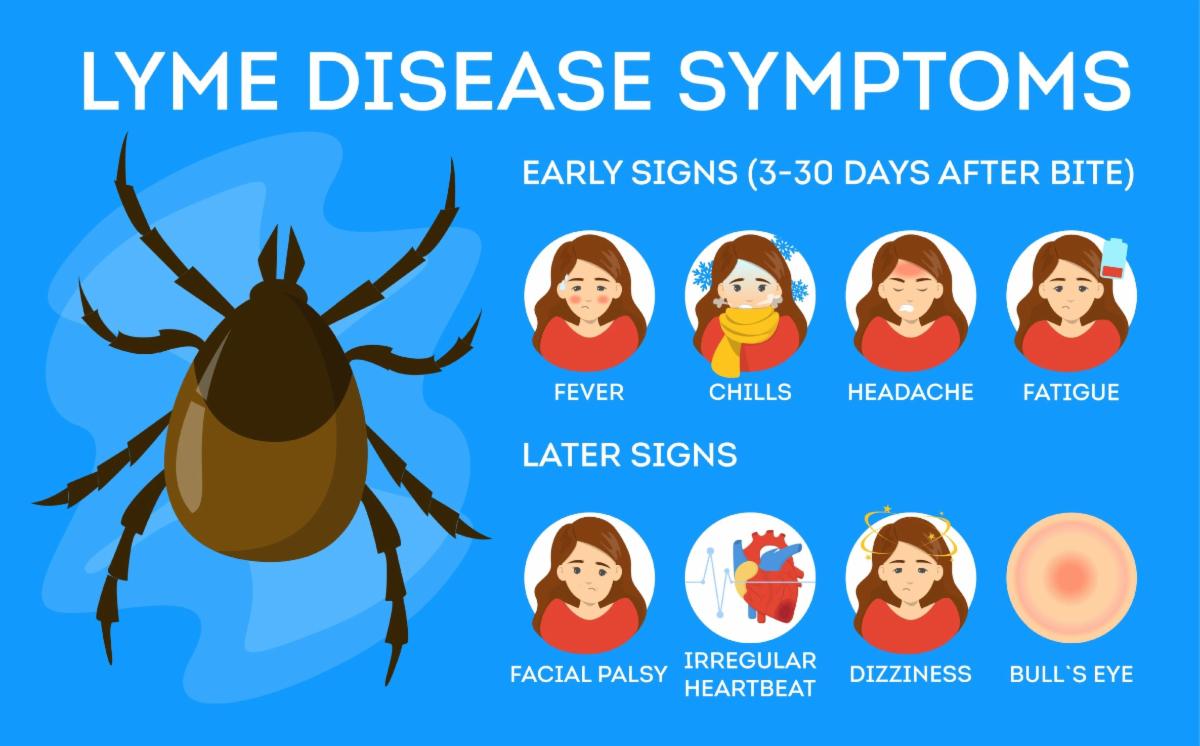
Summary: As people spend more time outdoors, so do many insects and pests. Among them are ticks, which are small bloodsucking insects. The deer tick (also known as the black-legged tick) is found mainly in the Eastern and upper Midwestern regions of the U.S. It can cause conditions such as Lyme disease – the mostRead More
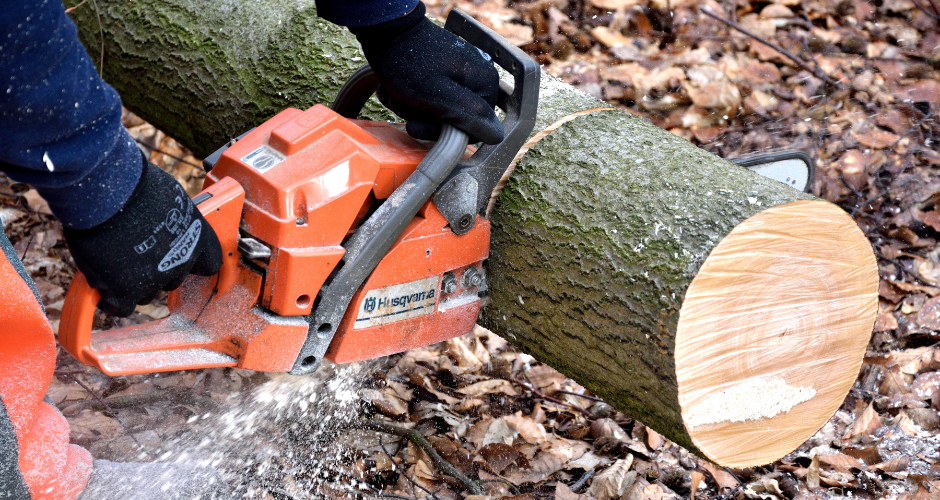
Summary: The Chainsaw Safety training program is intended for workers and managers in the agricultural and forestry industries. The major focus of the program is on the identification of and the safe operation of chainsaws. According to the Centers for Disease Control and Prevention (CDC), approximately 36,000 people are injured by chainsaws annually. Intended Audience: ThisRead More

Summary: To be present means to show up, to occur, or to exist. We must ask ourselves, “Are we present in our daily lives?” We bring with us our experiences, beliefs, and values in everyday interactions that influence how we show up and the relationships we establish. This session will explore our cultural values andRead More
What is QPR? QPR training teaches laypeople and professionals to recognize and respond to mental health crises using the approach of Question, Persuade and Refer. To attend this training participants must be 18 years of age or older. In this 1.5-hour QPR training, we will provide: - Information on the unique challenges farmers face thatRead More

Summary: Join us for an insightful presentation that delves into the unique challenges faced by aging individuals in rural agricultural communities, where the intersection of substance use and the aging process pose complex problems. We will examine the social, economic, and healthcare factors that contribute to substance use among older adults in the agricultural sector. TheRead More
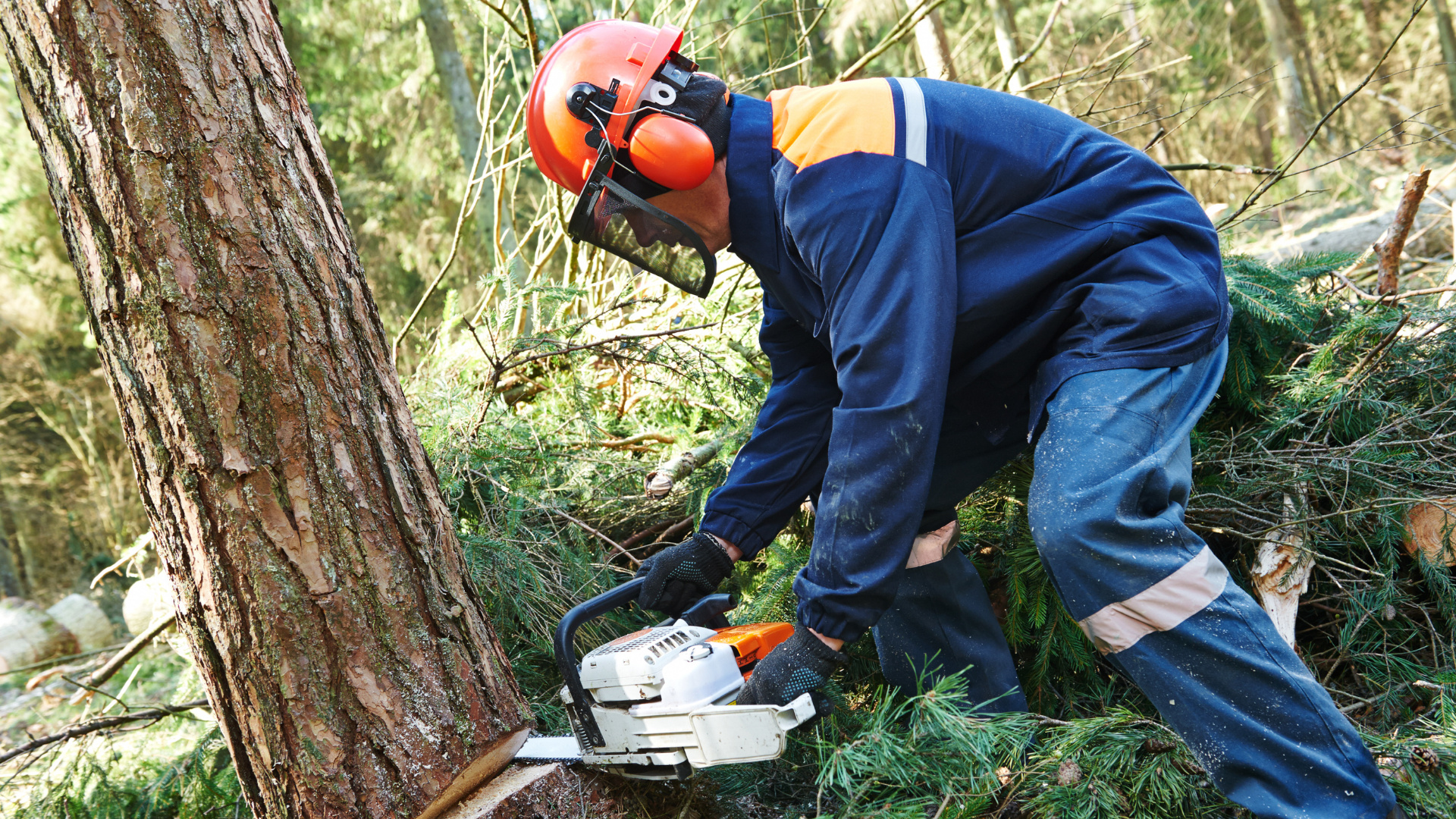
Summary: Hearing loss is common, especially among workers who are exposed to hazardous noise where they work. Forestry and Logging are among the top industry sectors for worker exposure to hazardous noise that can contribute to hearing loss. According to The National Institute for Occupational Safety and Health (NIOSH), noise-exposed workers in Forestry and Logging had a higher percentageRead More