
Webinar: Talking About Ticks- Lyme Disease
Summary: As people spend more time outdoors, so do many insects and pests. Among them are ticks, which are small bloodsucking insects. The deer tick (also known as the black-leggedRead More

Summary: As people spend more time outdoors, so do many insects and pests. Among them are ticks, which are small bloodsucking insects. The deer tick (also known as the black-leggedRead More
Summary: Zoonotic Diseases are transmitted between farm animals and humans and can pose additional risks to those who are pregnant. According to the World Health Organization, over half of all human pathogens are zoonotic and have represented nearly all emerging pathogens in the past decade. Farmers and farmworkers have a higher risk of contracting zoonoticRead More
Summary: As people spend more time outdoors, so do many insects and pests. Among them are ticks, which are small bloodsucking insects. The deer tick (also known as the black-legged tick) is found mainly in the Eastern and upper Midwestern regions of the U.S. It can cause conditions such as Lyme disease – the mostRead More
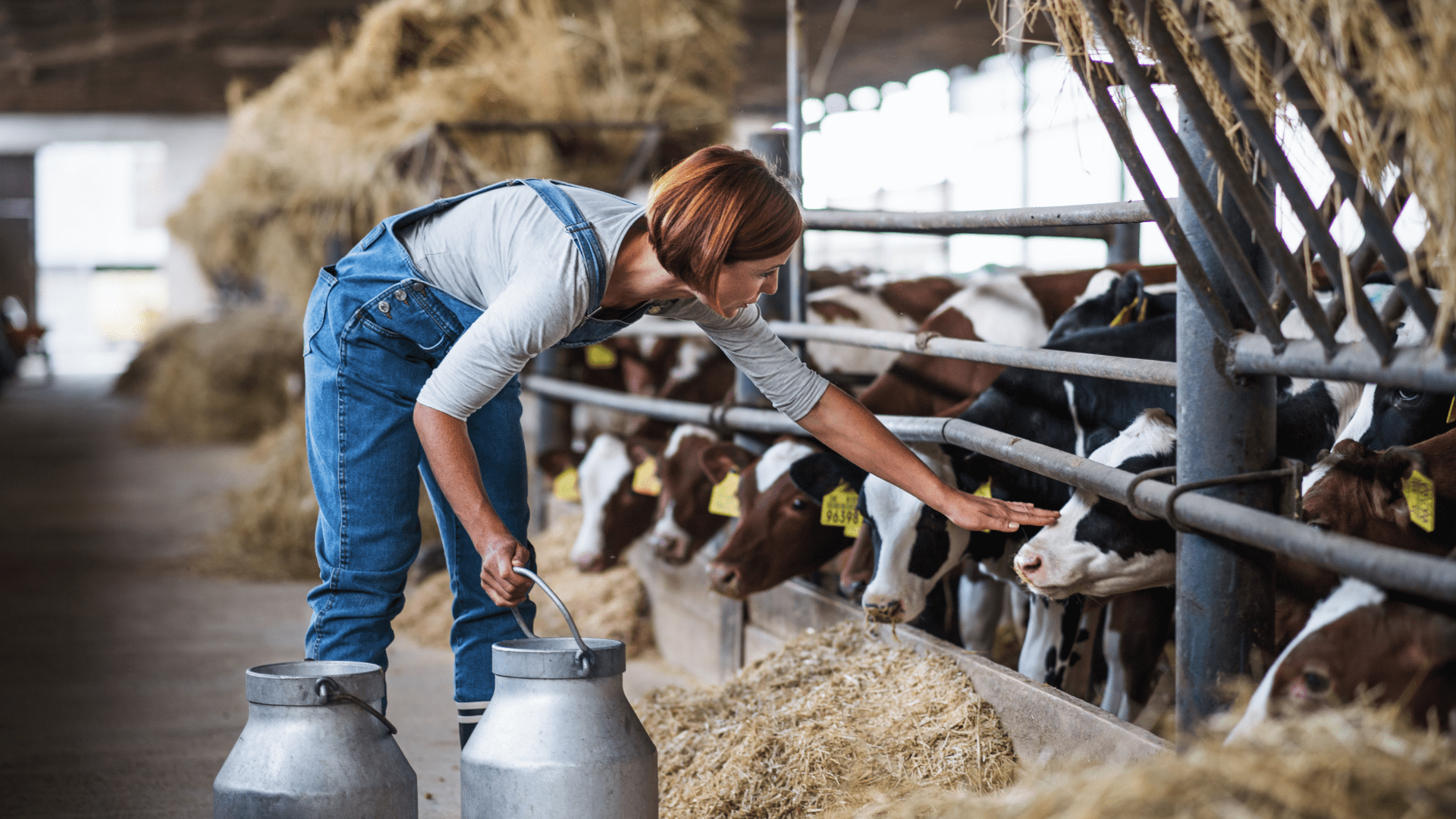
Summary: Zoonotic Diseases are transmitted between farm animals and humans and can pose additional risks to those who are pregnant. According to the World Health Organization, over half of all human pathogens are zoonotic and have represented nearly all emerging pathogens in the past decade. Farmers and farmworkers have a higher risk of contracting zoonoticRead More
Summary: As people spend more time outdoors, so do many insects and pests. Among them are ticks, which are small bloodsucking arachnids. The deer tick (also known as the black-legged tick) is found mainly in the Eastern and upper Midwestern regions of the U.S. It can cause conditions such as Lyme disease – the mostRead More

Summary: We will review needlestick injuries in animal agriculture. This includes type of injuries and associated costs. This includes a review of veterinary medicines associated with needlesticks and best practices to reduce needlestick injuries in an agricultural context. Objectives: At the end of this webinar participants will be able to: Highlight potential risks associated withRead More

Summary: The webinar will be focused on the impact of pig euthanasia on Hispanic farmworkers, explaining the need to consider the cultural background of the people as part of effective training and welfare practices. We will delve into the importance of timely and humane euthanasia in maintaining both animal welfare and industry standards. This sessionRead More

Summary: For centuries, zoonotic diseases have impacted humans in many ways. This presentation will focus on vector-borne pathogens by discussing the vectors and trends with geographic distribution, temperature effects, and habitat management since the late 1890s through today and potential future impacts. We are seeing in real time, the expansion of the geographic range ofRead More
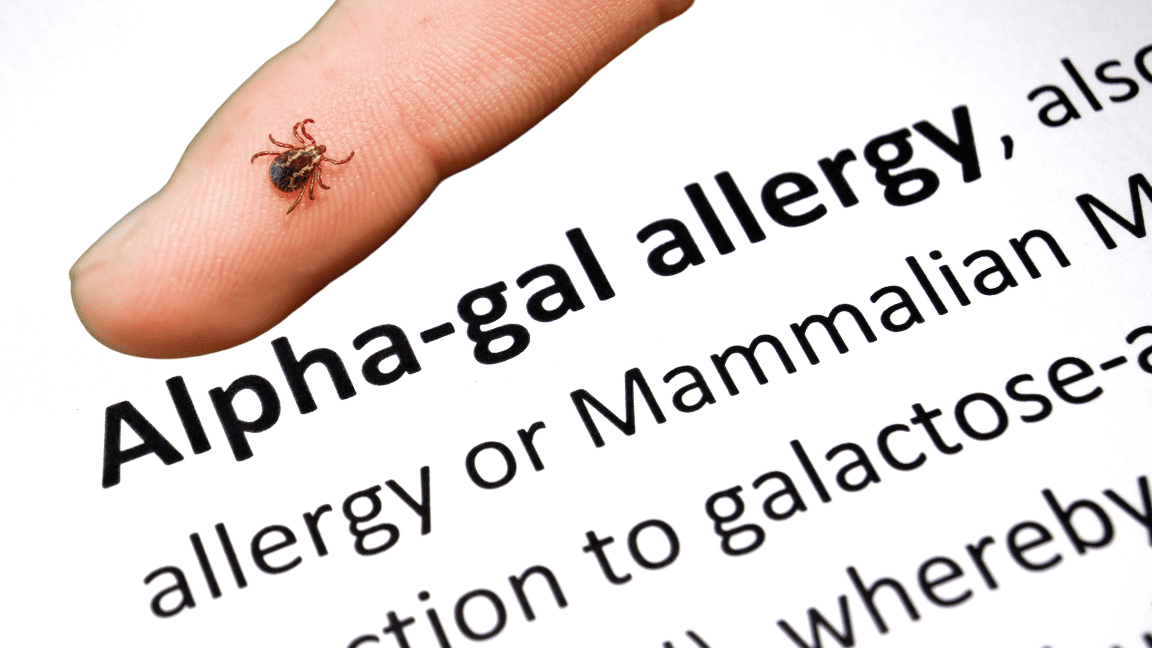
Summary: Alpha-gal syndrome (AGS) is an emerging tick-borne allergy to alpha-gal, a sugar found in mammals and products derived from them. These products include food, drugs, personal care and other products. Up to half a million Americans are estimated to be affected by AGS; most live in high-prevalence states in the South, Midwest, and EastRead More

Summary: This session will review the clinical features, specimen handling, epidemiologic clues, and reporting steps for New World screwworm myiasis so clinicians can recognize when to consider this rare but serious parasitic infestation, emphasizing that common wound etiologies remain far more likely and that screwworm should be a low-probability diagnosis except when compatible wounds, visible larvae,Read More