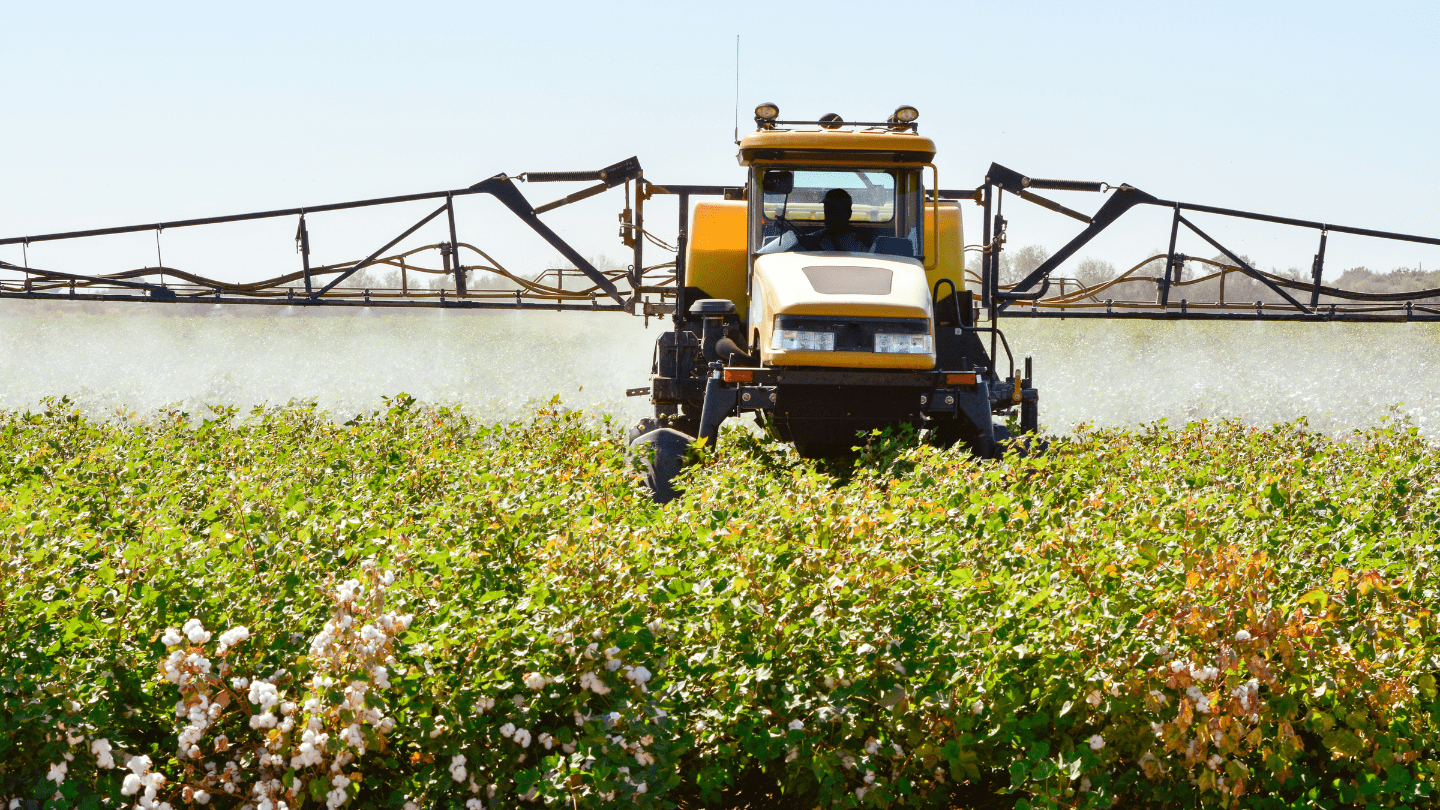
• NFSHW 2021: Anhydrous Ammonia Safety for Farmworkers

    Summary: Anhydrous ammonia (NH3) is an effective nitrogen crop fertilizer used throughout the Midwest and beyond.  Anhydrous ammonia is potentially dangerous, as it seeks water from the nearest source, whichRead More

  • Webinar: Anhydrous Ammonia Safety for Farmworkers

    Summary: Anhydrous ammonia (NH3) is an effective nitrogen crop fertilizer used throughout the Midwest and beyond.  Anhydrous ammonia is potentially dangerous, as it seeks water from the nearest source, which may beRead More

  • Webinar: Hazard Communications Standards

    Summary: This Hazard Communications Standards training program is intended for female workers and managers in the agricultural industry. This includes dairy farms and small farms that hire at-risk populations. TheRead More

  • Webinar: Anhydrous Ammonia Safety for Farmworkers

    Anhydrous Ammonia Safety for Farmworkers Summary: Anhydrous ammonia (NH3) is an effective nitrogen crop fertilizer used throughout the Midwest and beyond.  Anhydrous ammonia is potentially dangerous, as it seeks water from theRead More

  • Webinar: Appropriate PPE for Women in Agriculture

    Summary: Agriculture is a hazardous industry associated with many occupational injuries and diseases. Workers may be exposed to various types of occupational hazards simultaneously, possibly increasing the risk of adverseRead More

  • Webinar: Zoonotic Disease and Pregnancy: A Deeper Dive

    Summary: Zoonotic Diseases are transmitted between farm animals and humans and can pose additional risks to those who are pregnant. According to the World Health Organization, more than half of all human pathogens are zoonotic and have represented nearly all emerging pathogens during the past decade. Farmers and farmworkers have higher levels of risk forRead More

  • Webinar: Zoonotic Disease and Pregnancy: A Deeper Dive

    Summary: Zoonotic Diseases are transmitted between farm animals and humans and can pose additional risks to those who are pregnant. According to the World Health Organization, over half of all human pathogens are zoonotic and have represented nearly all emerging pathogens in the past decade. Farmers and farmworkers have a higher risk of contracting zoonoticRead More

  • Webinar: Best Practices in the Detection and Monitoring of Pesticide Exposure

    Summary: Farmers and agricultural workers are routinely exposed to a wide variety of chemicals. Toxicity Category I and II organophosphates (OPs) and N-methyl carbamates are cholinesterase-inhibiting insecticides commonly used in agriculture to kill insects or prevent them from damaging or destroying crops. Over-exposure to these chemicals results in the inhibition of the enzyme cholinesterase (ChE)Read More