• Missing the Mark: The Risks of Misdiagnosing Lyme Disease

    Summary: Tick borne illnesses often go undetected for years. Our speakers will provide unique perspectives from clinicians, resource development, and emotional support of those suffering with Lyme disease. The webinar will provide up to date education, understanding of the complex disease presentation, Lyme disease resources and awareness of the long-term effects for physical and mentalRead More

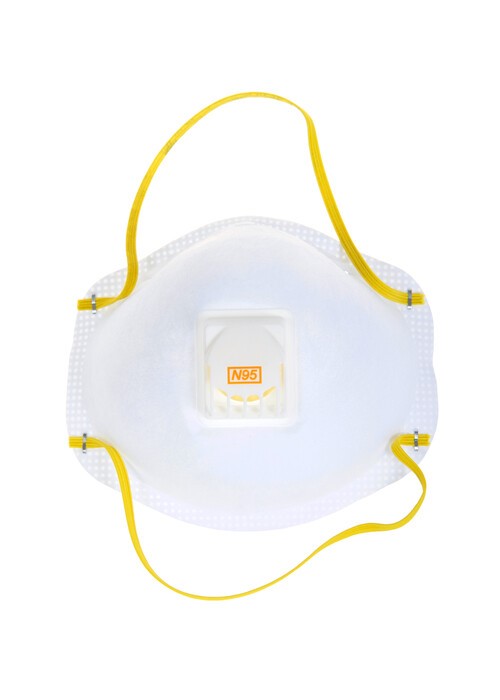
  • Tools & Training to Aid in Selection of PPE in Agriculture

    Summary: Workers in the agricultural industry experience multiple hazardous respiratory exposures. It is important to understand these risks and to know the appropriate protective equipment to purchase and use. The female workforce often experiences a challenge finding the right protection with a proper fit. This 30-minute program will address both the risks and the rightRead More

  • NFSHW 2021: Anhydrous Ammonia Safety for Farmworkers

    Summary: Anhydrous ammonia (NH3) is an effective nitrogen crop fertilizer used throughout the Midwest and beyond.  Anhydrous ammonia is potentially dangerous, as it seeks water from the nearest source, which may be the human body – especially the eyes, lungs, and skin because of their high moisture content.  Few problems occur when anhydrous ammonia isRead More

  • NFSHW 2021: Best Personal Protective Equipment (PPE) to Protect Your Lungs

    Summary: Respiratory protection strategies for women working in agriculture can be a challenge. Purchasing respiratory protective equipment and achieving proper fit is often difficult. This one-hour webinar program will address dangerous exposures in agricultural work and the importance of respiratory protective equipment for women. It will include training tips and evidence-based resources for use inRead More

  • NFSHW 2021: Zoonotic Disease and Pregnancy: A Deeper Dive

    Summary: Zoonotic Diseases are transmitted between farm animals and humans and can pose additional risks to those who are pregnant. Farmers and farmworkers have higher levels of risk for contracting zoonotic diseases because of the frequency of their exposure to animals. Understanding how the disease transmission process works, building a team, and effectively communicating withinRead More

  • Webinar: Anhydrous Ammonia Safety for Farmworkers

    Summary: Anhydrous ammonia (NH3) is an effective nitrogen crop fertilizer used throughout the Midwest and beyond.  Anhydrous ammonia is potentially dangerous, as it seeks water from the nearest source, which may be the human body – especially the eyes, lungs, and skin because of their high moisture content.  Few problems occur when anhydrous ammonia is handled properlyRead More

  • Webinar: Hazard Communications Standards

    Summary: This Hazard Communications Standards training program is intended for female workers and managers in the agricultural industry. This includes dairy farms and small farms that hire at-risk populations. The major focus of the program is on the identification of and the safe usage of chemicals and pesticides, along with respiratory protection. Objectives: At theRead More

  • Webinar: What to Expect While Expecting- For Female Producers & Farmworkers in Ag

    Summary: Pregnancy and fertility are often not considered when women assume farm tasks. Pesticide and other chemical exposures, zoonotic diseases and heavy lifting particularly during childbearing years, present challenges. Objectives: At the end of the presentation, participants will be able to: Identify unique exposures/risks associated with farm tasks. Identify at least four reproductive health andRead More

  • Grain Bin Safety Week

    Did you know that between 1960 and 2019, 60% of documented grain entrapment cases were fatal? Initiated by Nationwide in 2014, Grain Bin Safety Week is an annual campaign recurring the third full week of February to promote grain bin safety on farms and commercial grain-handling facilities. A collaborative effort with industry leaders and agriculturalRead More

  • Webinar: Anhydrous Ammonia Safety for Farmworkers

    Anhydrous Ammonia Safety for Farmworkers Summary: Anhydrous ammonia (NH3) is an effective nitrogen crop fertilizer used throughout the Midwest and beyond.  Anhydrous ammonia is potentially dangerous, as it seeks water from the nearest source, which may be the human body – especially the eyes, lungs, and skin because of their high moisture content.  Few problems occur whenRead More