
• Ergonomic Safety for Farm Women

    It is no secret - women are playing an increased role in production agriculture. They account for about one-third of the management, ownership and work on farms, ranches and in crop production. A major challenge continues to be access to protective equipment that meets the ergonomic needs of women. This program is intended to helpRead More
  • Reducing the Risk of Adverse Pregnancy Outcomes and Perinatal Illness for Female Agricultural Producers

    Pregnancy and fertility are often not considered when women assume farm tasks. Pesticide and other chemical exposures, zoonotic diseases and heavy lifting particularly during childbearing years, present challenges. At the end of the presentation, participants will be able to: Identify unique exposures/risks associated with farm tasks. Identify at least four reproductive health and safety issuesRead More

  • Tools for Healthcare Professionals Working in Agricultural Communities

    Summary: In this webinar, attendees will learn about tools they can make use to enhance healthcare services for their farming and ranching patients. Alex Cavanaugh from the Rural Health Information Hub (RHIhub) will provide a general overview of services including: Rural Response Issue Guides for COVID-19, Farmer Mental Health and Suicide Prevention resources, and theRead More

  • Talking to Farmers About Pain

    The occupational hazards that farmers face put them at greater risk for acute and chronic pain as a result of ergonomic repetition, accident, or surgical procedure. Addressing specific occupational sources of pain and what activities the pain inhibits are crucial to improving treatment. This module will focus on how to transform the conversation between providerRead More

  • Zoonotic Disease and Pregnancy: A Deeper Dive

    Summary: Zoonotic Diseases are transmitted between farm animals and humans and can pose additional risks to those who are pregnant. According to the World Health Organization, more than half of allRead More

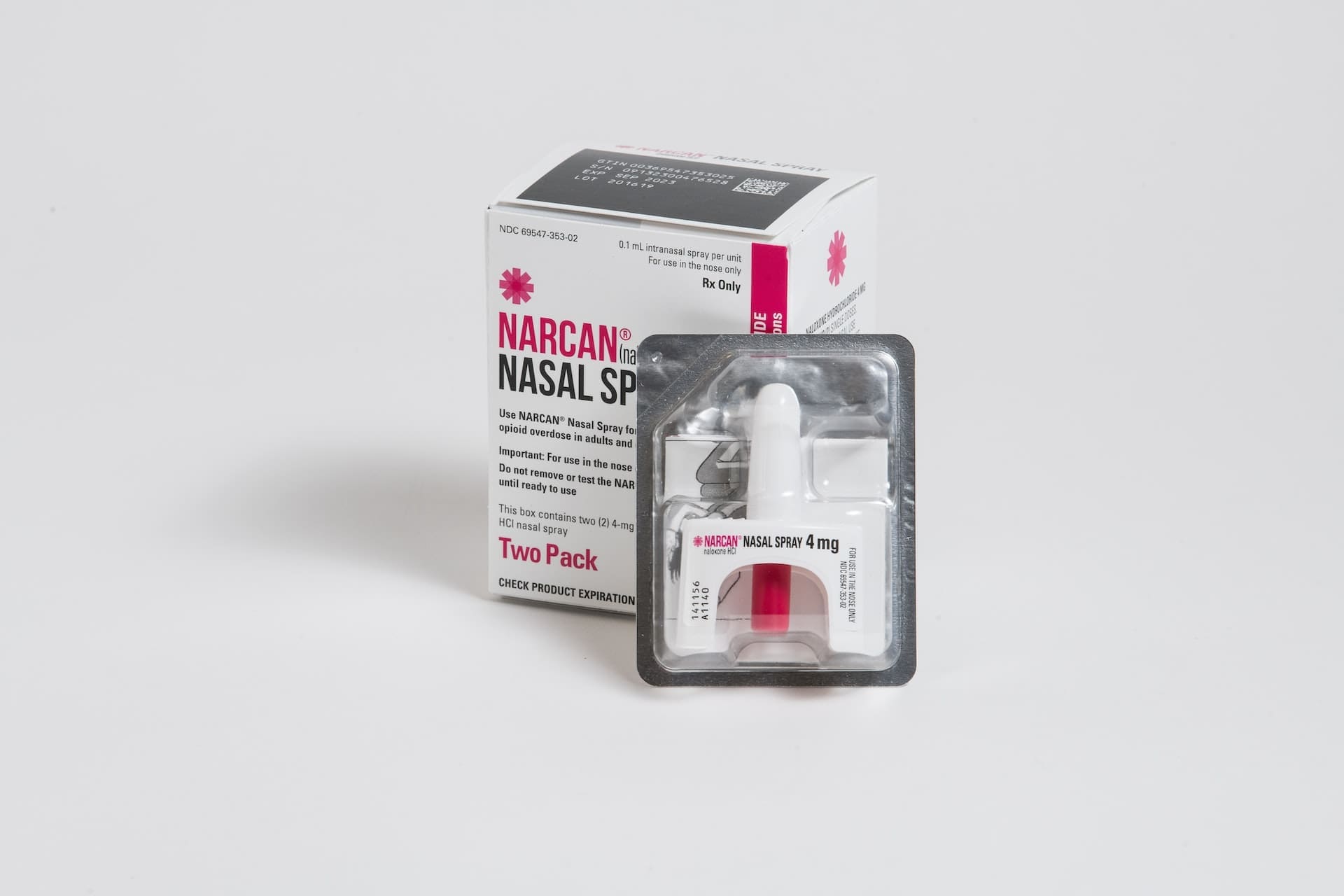
  • Using Naloxone to Reverse Opioid Overdose in the Agricultural Workplace: Information for Employers and Workers

    In 2018, the U.S. Surgeon General called for increased awareness and availability of naloxone, the opioid antagonist, to reverse the effects of opioid overdose. Despite the rise in the dispensing of naloxone, there is a significant gap in our response across all sectors of society. In the rural parts of our country, where emergency responseRead More

  • Train the Trainer: Cover Up! Head to Toe Personal Protective Equipment

    This Train the Trainer course is designed for teachers, Extension staff, 4H and FFA leaders and others who work with young adults. Agriculture is ranked as one of the most dangerous occupations and involves workers and family members of all ages. Illness and injuries can be prevented if we use the right protective equipment for the job. ThisRead More

  • Missing the Mark: The Risks of Misdiagnosing Lyme Disease

    Summary: Tick borne illnesses often go undetected for years. Our speakers will provide unique perspectives from clinicians, resource development, and emotional support of those suffering with Lyme disease. The webinar will provide up to date education, understanding of the complex disease presentation, Lyme disease resources and awareness of the long-term effects for physical and mentalRead More

  • NFSHW 2021: Food in the Field

    Summary: With 18+ hour workdays, the stress of the weather, dealing with markets and policies, and limited nutritious, one-handed dining options, it is easy to put healthy eating on the back burner during the busy seasons of harvest and planting. Food in the Field is an online nutrition program seeking to nutritiously feed those whoRead More

  • NFSHW 2021: Zoonotic Disease and Pregnancy: A Deeper Dive

    Summary: Zoonotic Diseases are transmitted between farm animals and humans and can pose additional risks to those who are pregnant. Farmers and farmworkers have higher levels of risk for contracting zoonotic diseases because of the frequency of their exposure to animals. Understanding how the disease transmission process works, building a team, and effectively communicating withinRead More