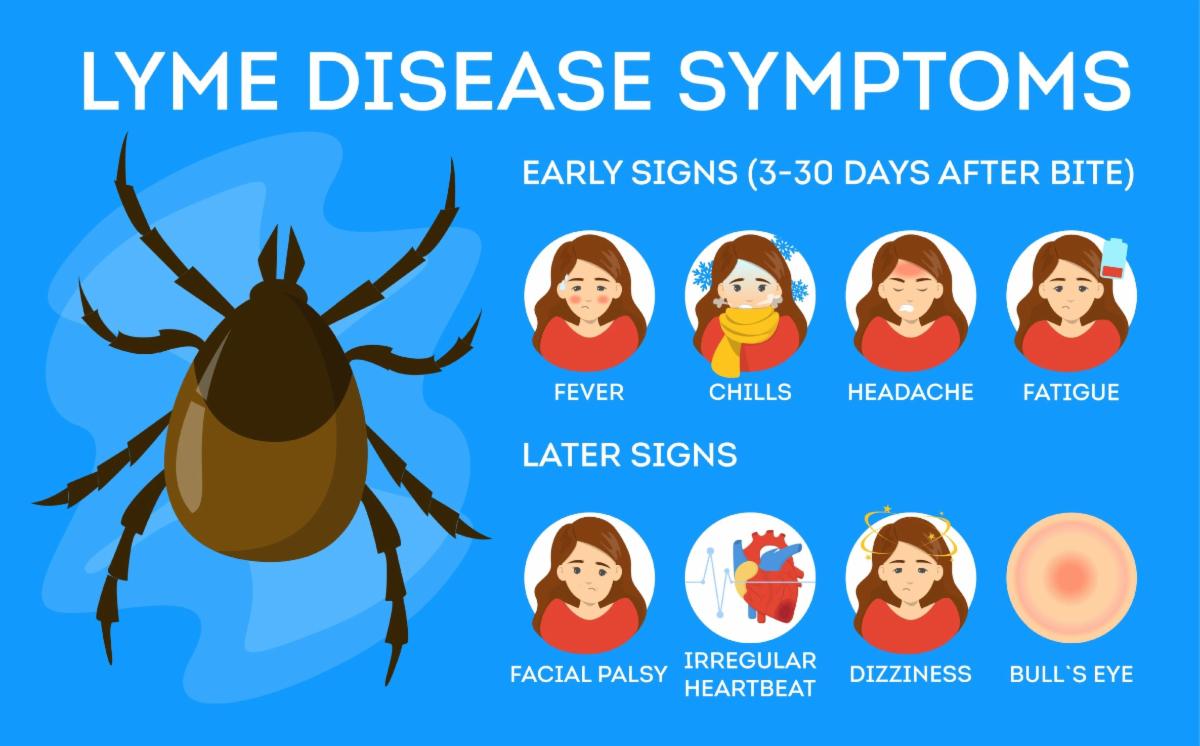
Webinar: Talking About Ticks- Lyme Disease
Summary: As people spend more time outdoors, so do many insects and pests. Among them are ticks, which are small bloodsucking arachnids. The deer tick (also known as the black-leggedRead More

Summary: As people spend more time outdoors, so do many insects and pests. Among them are ticks, which are small bloodsucking arachnids. The deer tick (also known as the black-leggedRead More
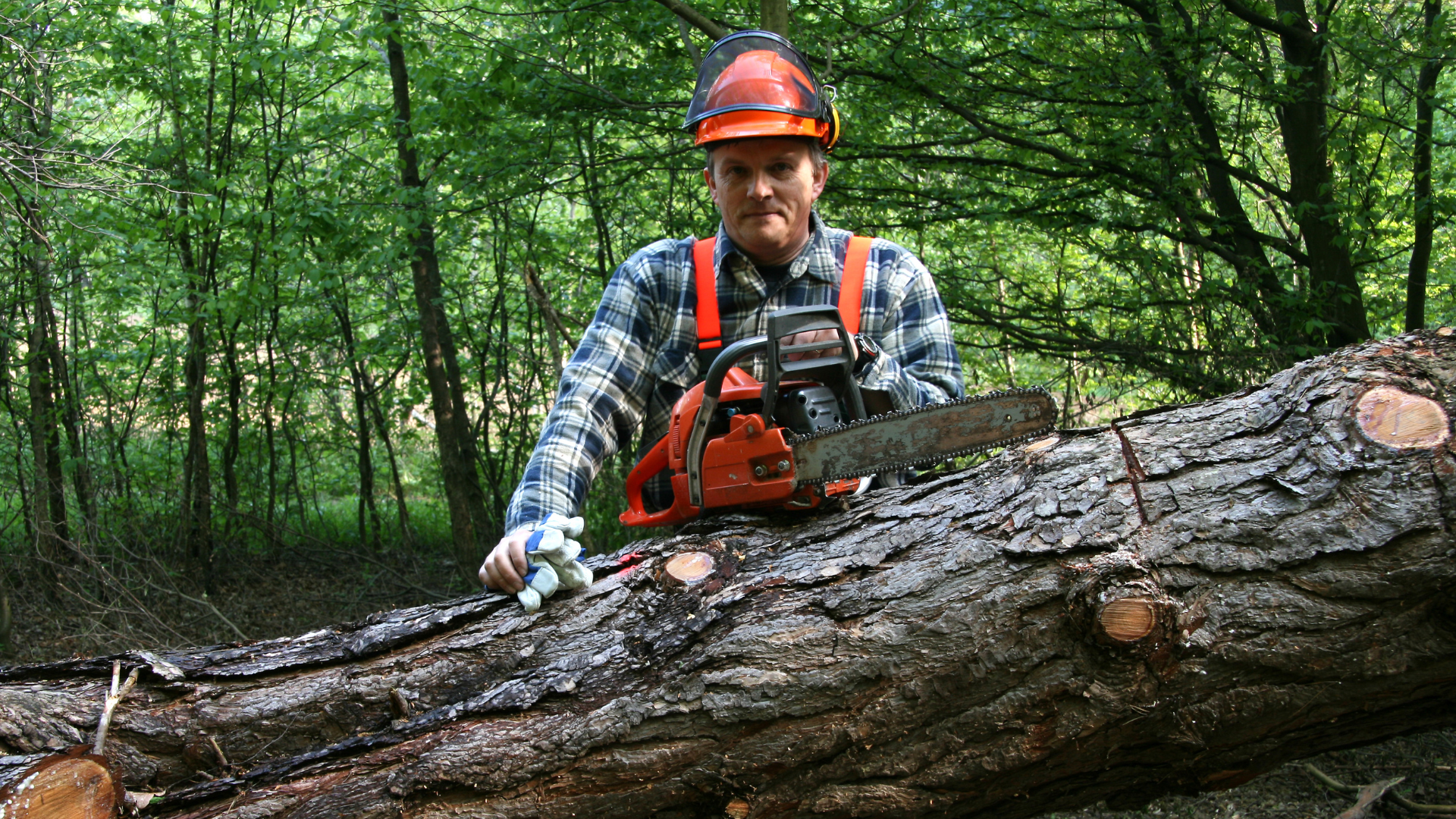
Summary: Stress can directly impact safety. Whether managing forestry wildfires or working long strenuous days harvesting and hauling timber, the forestry and logging workforce face unique situations that can predisposeRead More
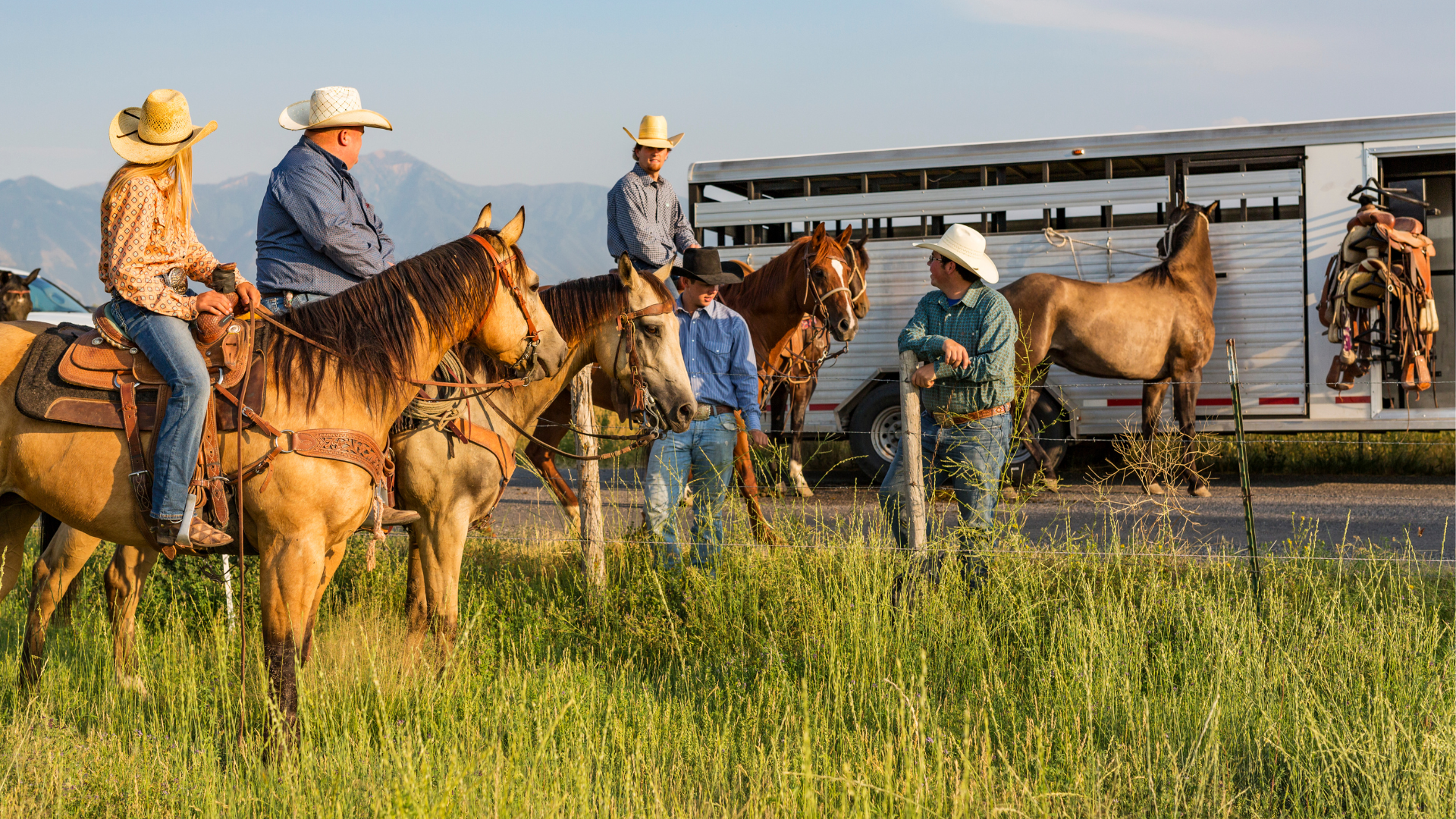
Summary: In the wake of the global impact of severe acute respiratory syndrome coronavirus 2 (SARS-CoV-2) and the ensuing coronavirus disease 19 (COVID-19), the urgency to safeguard agricultural employees fromRead More

Summary: Forest workers face unique ergonomic challenges due to their exposure to extreme environmental conditions, heavy workload, and dangerous tools and machines. The forest sector has one of the highest rates of Musculoskeletal Disorders (MSDs), almost 100 times higher than the industrial targets the National Institute for Occupational Safety & Health (NIOSH) set. This programRead More
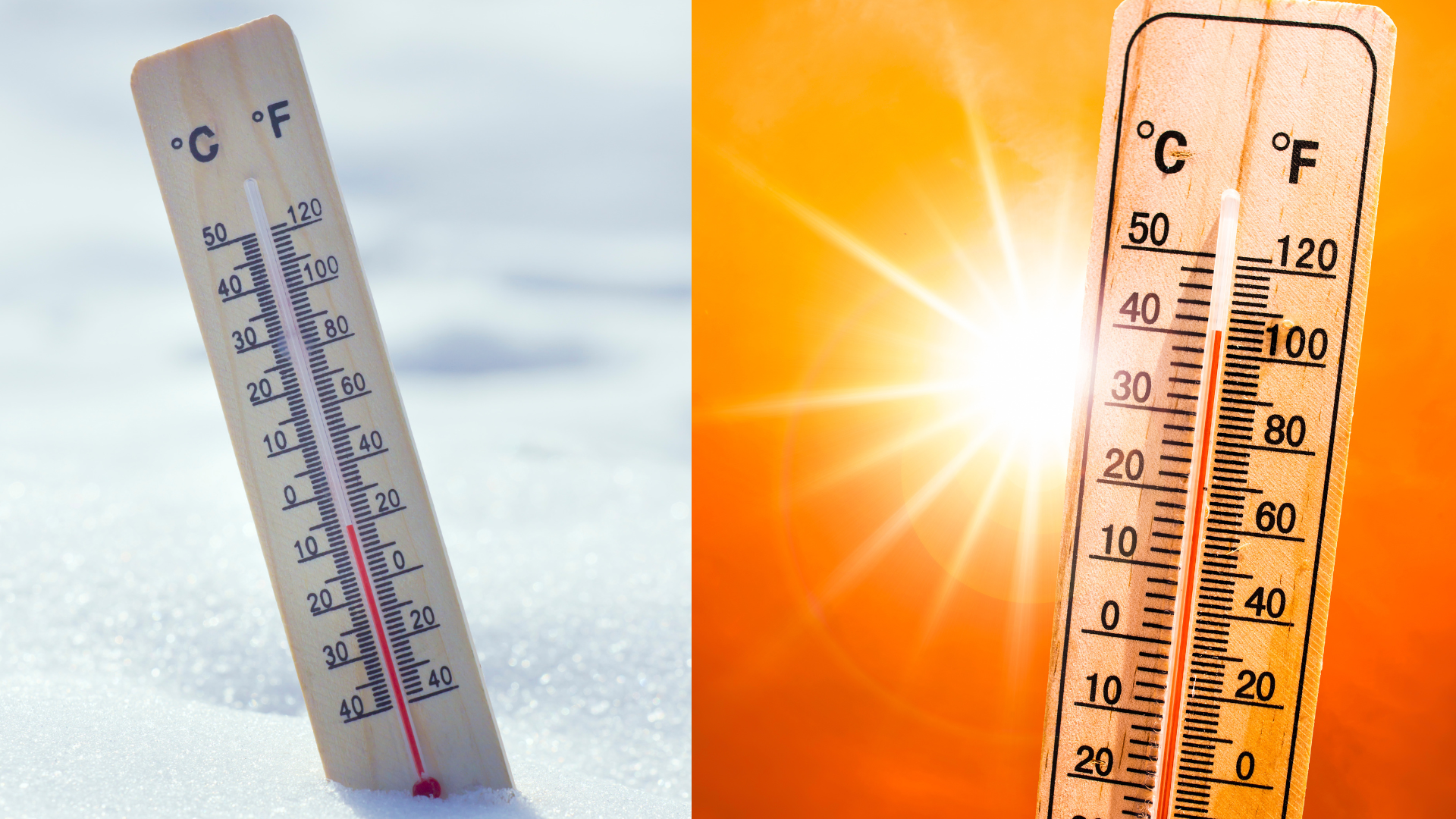
Summary: Forestry workers may be subject to extreme heat and cold. Working outdoors makes people more likely to become dehydrated and experience heat-related illness or heat stress. High temperatures reduce work capacity and may lead to heat stress and dehydration. Although exposure to heat stress is preventable, thousands become sick from occupational heat exposure everyRead More

What is QPR? QPR training teaches laypeople and professionals to recognize and respond to mental health crises using the approach of Question, Persuade and Refer. To attend this training participants must be 18 years of age or older. In this 1.5-hour QPR training, we will provide: - Information on the unique challenges farmers face thatRead More
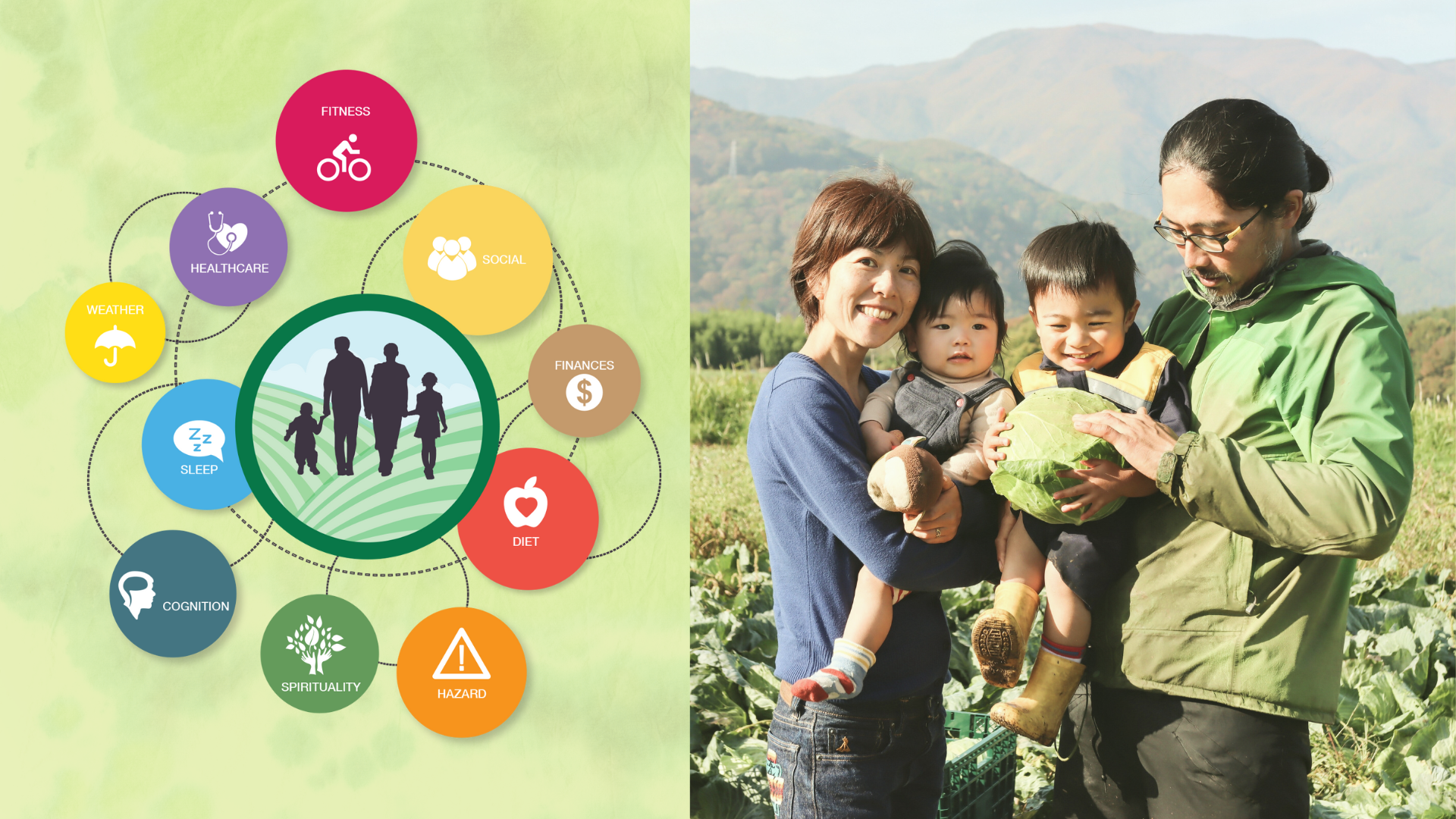
Summary: In the San Luis Valley, Colorado – community leaders have voiced increasing concern for the behavioral health of workers in the agriculture industry. Using Total Worker Health® and Total Farmer Health® frameworks, we developed an interactive worker wellbeing assessment. Approximately 118 participants responded to our survey with a completion rate adequate for analysis. ThisRead More
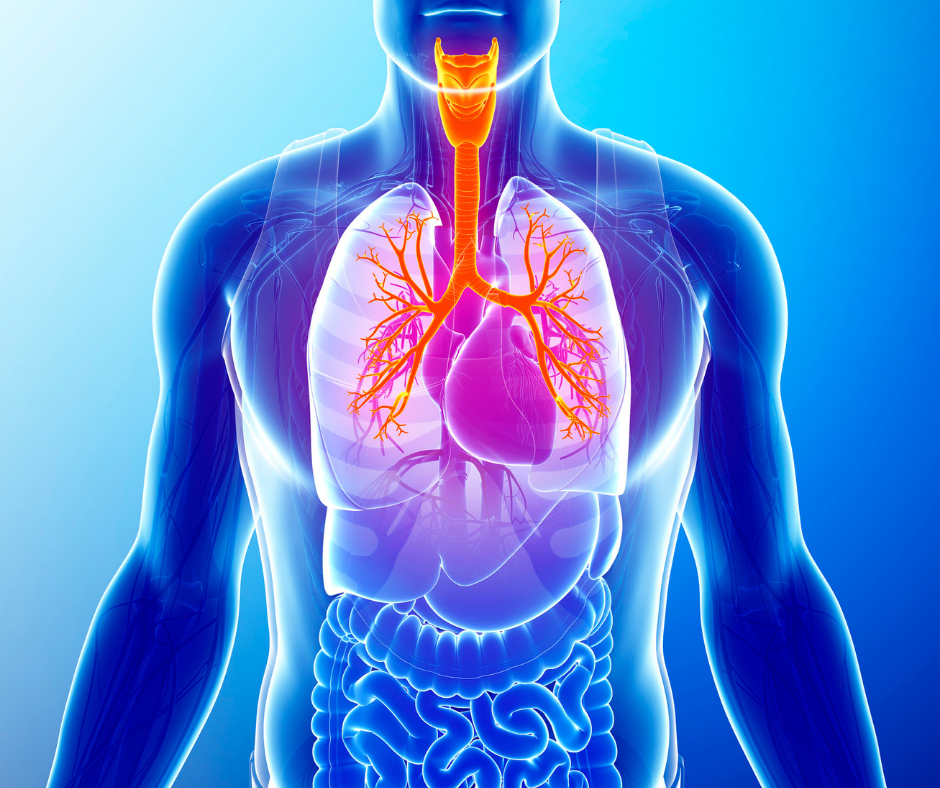
Summary: This webinar will address non-allergic respiratory hazards (dusts, mists, fumes, and gases) affecting agricultural worker, farmers, and farm families living and working in agricultural environments. The focus will be on recognizing and preventing environmental and occupational exposures that may result in morbidity and mortality resulting from unprotected or unrecognized respiratory hazards. The webinar willRead More

Summary: Skid loaders are useful and versatile machines in the hands of appropriate operators. To utilize them to their utmost, we must understand there is inherent risk in the operation of the machine. This class will talk over some of the basics of skid loader operation including why there should be no passengers, proper transport, safety features,Read More
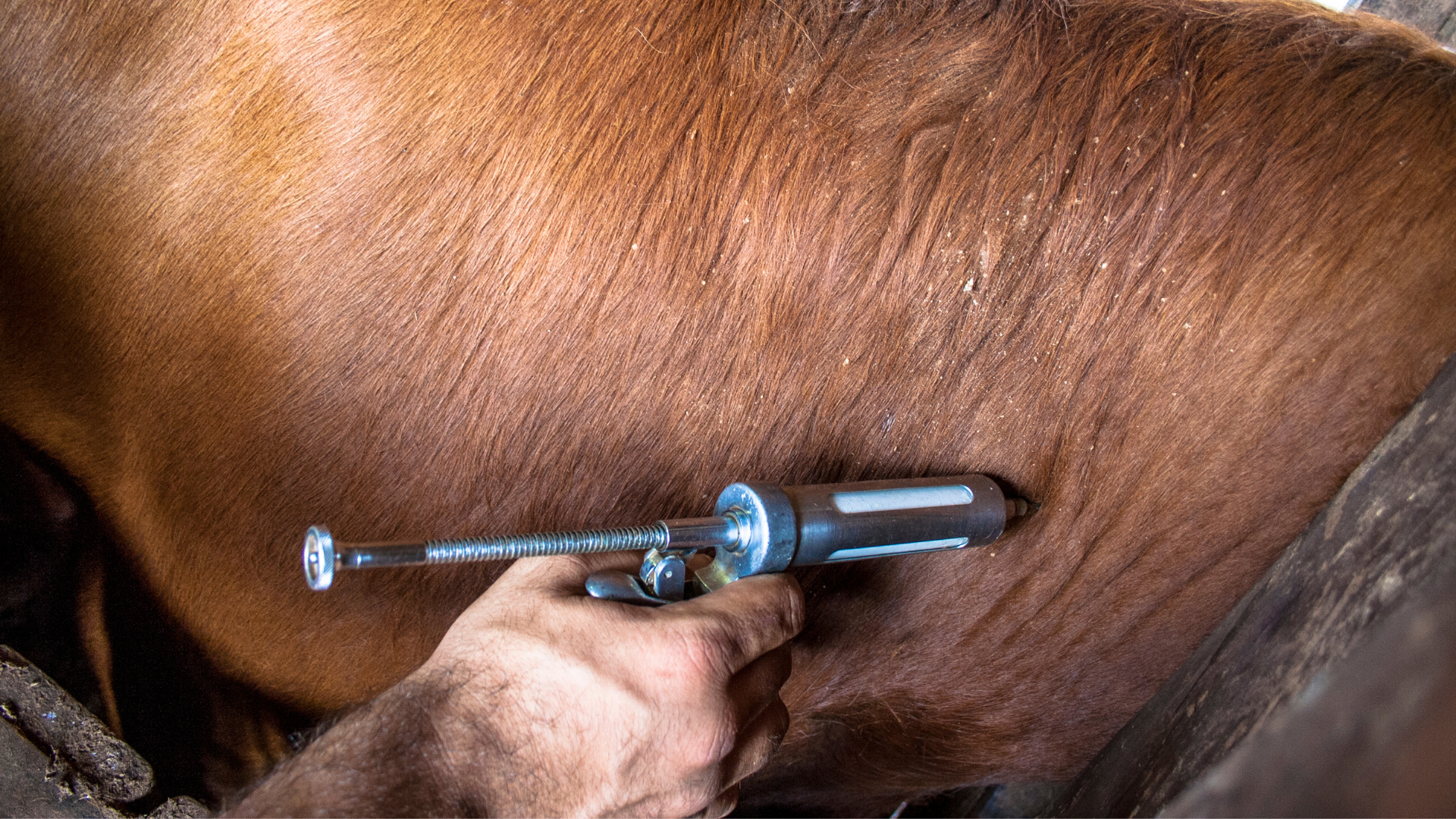
Summary: We will review needlestick injuries in animal agriculture. This includes type of injuries and associated costs. This includes a review of veterinary medicines associated with needlesticks and best practices to reduce needlestick injuries in an agricultural context. Objectives: At the end of this webinar participants will be able to: Highlight potential risks associated withRead More

Summary: It is important for agricultural educators to create inclusive and safe learning environments for all youth. This includes taking intentional steps to make LGBTQ+ youth feel like there is a space for them in the agriculture industry, 4-H, and FFA. But it’s not always easy to know where to start. You can take yourRead More
Summary: Forestry workers may be subject to extreme heat and cold. Working outdoors makes people more likely to become dehydrated and experience heat-related illness or heat stress. High temperatures reduce work capacity and may lead to heat stress and dehydration. Although exposure to heat stress is preventable, thousands become sick from occupational heat exposure everyRead More