Hazard Communications Standards
This Hazard Communication Standard training program is intended for female workers and managers in the agricultural industry. This includes dairy farms and small farms that hire at-risk populations. The majorRead More

This Hazard Communication Standard training program is intended for female workers and managers in the agricultural industry. This includes dairy farms and small farms that hire at-risk populations. The majorRead More
Summary Respiratory PPE fit testing helps assure the best protection against dangerous airborne particles. Agricultural workers face a myriad of challenges in obtaining a proper fit test and who can provide this service. Additionally, there are gray areas of misunderstanding about the fit testing mandates in certain agricultural populations. Intended Audience: Agricultural workers, including womenRead More
Summary: Anhydrous ammonia (NH3) is an effective nitrogen crop fertilizer used throughout the Midwest and beyond. Anhydrous ammonia is potentially dangerous, as it seeks water from the nearest source, which may be the humanRead More
Summary: Respiratory protection strategies for women working in agriculture can be a challenge. Purchasing respiratory protective equipment and achieving proper fit is often difficult. This one hour webinar program will address dangerous exposures in agricultural work and the importance of respiratory protective equipment for women. It will include training tips and evidence-based resources for useRead More
This Train the Trainer course is designed for teachers, Extension staff, 4H and FFA leaders and others who work with young adults. Agriculture is ranked as one of the mostRead More
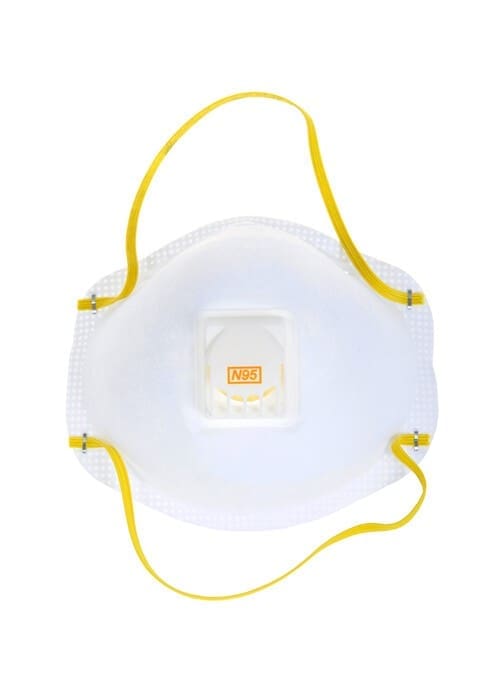
Summary: Workers in the agricultural industry experience multiple hazardous respiratory exposures. It is important to understand these risks and to know the appropriate protective equipment to purchase and use. The female workforce often experiences a challenge finding the right protection with a proper fit. This 30-minute program will address both the risks and the rightRead More

Summary: Anhydrous ammonia (NH3) is an effective nitrogen crop fertilizer used throughout the Midwest and beyond. Anhydrous ammonia is potentially dangerous, as it seeks water from the nearest source, which may be the human body – especially the eyes, lungs, and skin because of their high moisture content. Few problems occur when anhydrous ammonia isRead More
Summary: Respiratory protection strategies for women working in agriculture can be a challenge. Purchasing respiratory protective equipment and achieving proper fit is often difficult. This one-hour webinar program will address dangerous exposures in agricultural work and the importance of respiratory protective equipment for women. It will include training tips and evidence-based resources for use inRead More
Summary: Anhydrous ammonia (NH3) is an effective nitrogen crop fertilizer used throughout the Midwest and beyond. Anhydrous ammonia is potentially dangerous, as it seeks water from the nearest source, which may be the human body – especially the eyes, lungs, and skin because of their high moisture content. Few problems occur when anhydrous ammonia is handled properlyRead More
Summary: This Hazard Communications Standards training program is intended for female workers and managers in the agricultural industry. This includes dairy farms and small farms that hire at-risk populations. The major focus of the program is on the identification of and the safe usage of chemicals and pesticides, along with respiratory protection. Objectives: At theRead More

Summary: This Invest in Your Health: Train the Trainer course is designed for teachers, extension staff, 4H and FFA leaders, and others who work with young adults. The young agRead More
Anhydrous Ammonia Safety for Farmworkers Summary: Anhydrous ammonia (NH3) is an effective nitrogen crop fertilizer used throughout the Midwest and beyond. Anhydrous ammonia is potentially dangerous, as it seeks water from the nearest source, which may be the human body – especially the eyes, lungs, and skin because of their high moisture content. Few problems occur whenRead More