
• Respiratory Protection Program Adapted to Grain Handling Operations

    The OSHA respiratory standard requires a written respiratory protection program for situations in which permissible exposure levels (PELs) of airborne contaminants could be exceeded or when the employer requires use of respirators by workers. This training will assist agriculture-based employers who require respirator use to comply with the OSHA respiratory protection program standard. Training includesRead More
  • Increasing the Use of Hearing Protection Among Farmers: Best Practices

    Farm operators, as well as farm youth, experience frequent exposure to high noise and have among the highest rates of hearing loss among all categories of workers. Additionally, noise exposure impacts multiple organ systems, contributing to cardiovascular disease, hypertension, obesity, and other highly prevalent diseases. Although the effects of noise can be mitigated through useRead More

  • Allergic and Non-allergic Respiratory Disease in Farmers

    The goal of the webinar is to inform health care providers of farmers and farming exposed workers on the allergic and non-allergic respiratory diseases commonplace to this type of environment. The webinar will cover a general overview of allergic and non-allergic respiratory diseases including asthma, chronic obstructive pulmonary disease, hypersensitivity pneumonia, and organic dust toxicRead More

  • Confined Space – Grain Bin Entry

    The Confined Space Grain Safety program is intended for workers and managers in agriculture. This includes Coop's, farm operators, employees, and agriculture business owners. The major focus of the programRead More

  • Agricultural All-Terrain Vehicle Safety

    All-terrain vehicle (ATV) crashes are one of the leading causes of death and injuries in the agriculture industry in the United States. In this presentation, we will evaluate the current situation and possible solutions related to agricultural ATV safety. Potential injury preventative actions were evaluated based on the hierarchy of control, including elimination or substitution, engineeringRead More

  • Hazard Communications Standards

    This Hazard Communication Standard training program is intended for female workers and managers in the agricultural industry. This includes dairy farms and small farms that hire at-risk populations. The majorRead More

  • Anhydrous Ammonia Safety for Farmworkers

    Summary: Anhydrous ammonia (NH3) is an effective nitrogen crop fertilizer used throughout the Midwest and beyond.  Anhydrous ammonia is potentially dangerous, as it seeks water from the nearest source, which may be the human body – especially the eyes, lungs, and skin because of their high moisture content.  Few problems occur when anhydrous ammonia is handled properly and applied asRead More

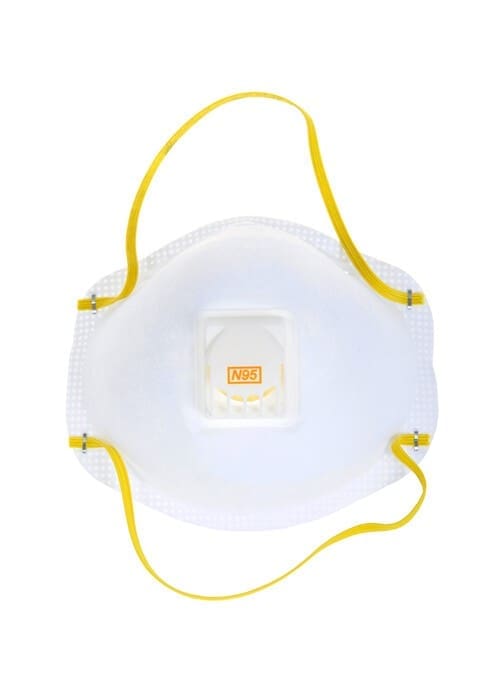
  • Best PPE to Protect Your Lungs

    Summary:  Respiratory protection strategies for women working in agriculture can be a challenge.  Purchasing respiratory protective equipment and achieving proper fit is often difficult. This one hour webinar program willRead More

  • Train the Trainer: Cover Up! Head to Toe Personal Protective Equipment

    This Train the Trainer course is designed for teachers, Extension staff, 4H and FFA leaders and others who work with young adults. Agriculture is ranked as one of the most dangerous occupations and involves workers and family members of all ages. Illness and injuries can be prevented if we use the right protective equipment for the job. ThisRead More

  • Tools & Training to Aid in Selection of PPE in Agriculture

    Summary: Workers in the agricultural industry experience multiple hazardous respiratory exposures. It is important to understand these risks and to know the appropriate protective equipment to purchase and use. The female workforce often experiences a challenge finding the right protection with a proper fit. This 30-minute program will address both the risks and the rightRead More