
NFSHW24: No Safe Way to Vape
Summary: This session aims to provide attendees the tools necessary to equip their students with a comprehensive understanding of the health risks associated with vaping, debunk common myths, and fosterRead More

Summary: This session aims to provide attendees the tools necessary to equip their students with a comprehensive understanding of the health risks associated with vaping, debunk common myths, and fosterRead More

Summary: This webinar presents an in-depth analysis of records from the OSHA Accident Database, focusing on incidents coded as "Oxygen Deficiency," "Confined Space," and "Toxic Fume" from January 1, 2014, to May 23, 2024. The presentation will identify trends, common causes, and effective preventive measures for these hazardous conditions. Through a detailed examination of theseRead More
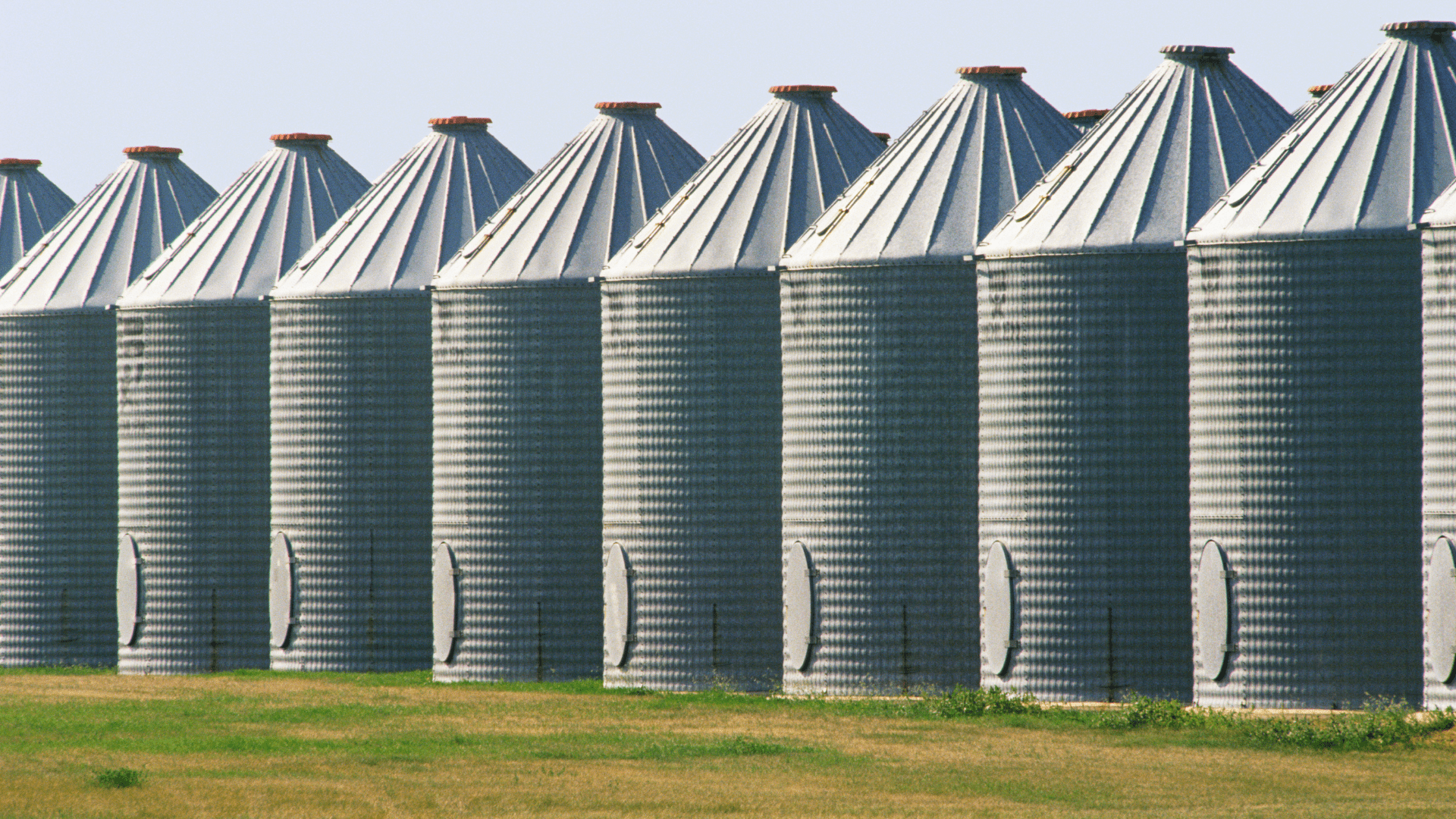
Summary: A review of the literature related to the problem of grain related entrapments and engulfments clearly suggests that the most effective response is to focus on rescuing workers once entrapped. The evidence shows that this approach is both inconsistent with the data and has generated little progress in reducing the frequency and severity ofRead More
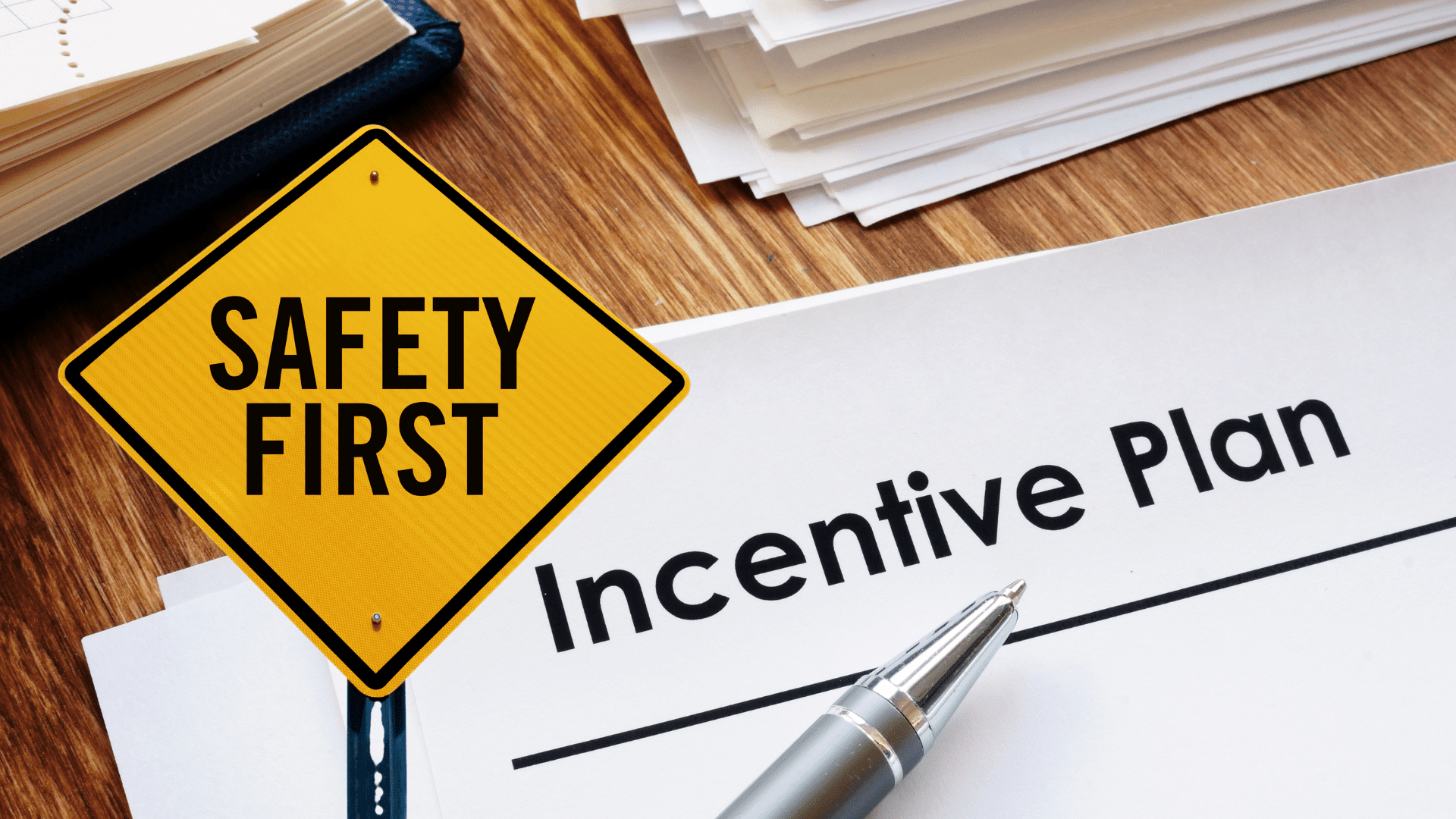
Summary: A recent publication has estimated that agricultural injuries are underreported by an astonishing 70%. This webinar will discuss the challenges, barriers, and unintended consequences for suppressing injury reporting in the agricultural workforce. We will also take a look at “good” and “bad” safety incentive programs and how to encourage the workforce to talk aboutRead More

Summary: Wet bulb globe temperature (WBGT) index is the preferred environmental heat metric for heat-related illness (HRI) prevention in the workplace and is typically measured using a heat stress monitor.Read More

Summary: The use of virtual and augmented reality simulators for safety training and health curricula is increasing and more available in fire safety, mining, aviation, and healthcare. The next generation of learners will engage in experiential learning throughout their educational journey, beginning in the classroom, and extending to their mobile devices and on-site activities. This sessionRead More
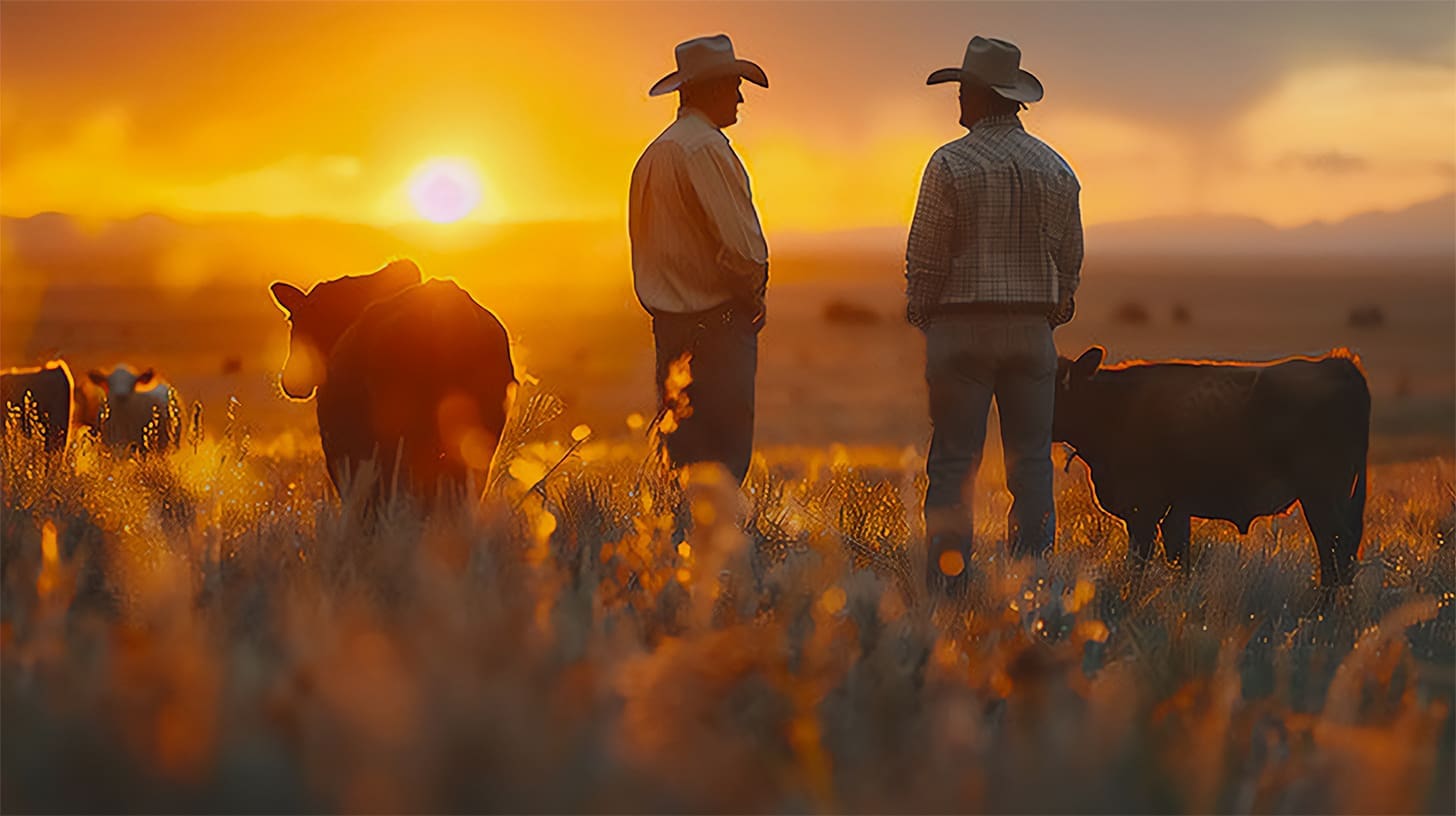
Summary: CALM (Conversations on Access to Lethal Means) is a suicide prevention training that encourages the safe storage of lethal means (firearms and medications) during a suicidal crisis. By temporarily putting time and distance between a suicidal person and highly lethal means, a life may be saved. CALM: Counseling on Access to Lethal Means was originally createdRead More
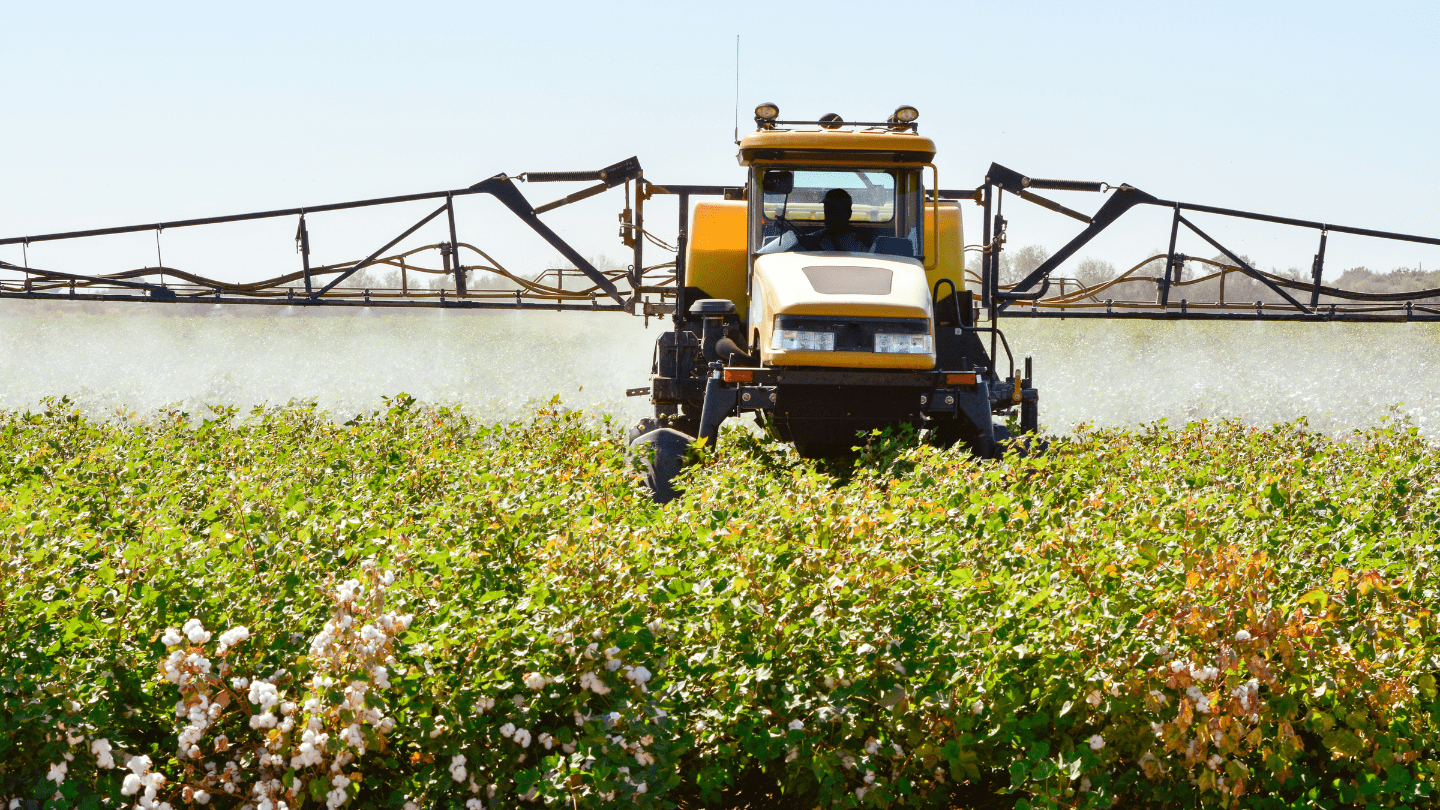
Summary: There is growing concern over the role of environmental and occupational exposures in rising cancer rates in Iowa and across the country. People employed in agriculture and related industries in rural areas may face unique environmental and occupational exposures, besides genetic and behavioral risk factors, that can cause cancer. Rural barriers to accessing healthcareRead More
Summary: CALM (Conversations on Access to Lethal Means) is a suicide prevention training that encourages the safe storage of lethal means (firearms and medications) during a suicidal crisis. By temporarily putting time and distance between a suicidal person and highly lethal means, a life may be saved. CALM: Counseling on Access to Lethal Means was originally createdRead More

Summary: Counseling on Access to Lethal Means (CALM) is a powerful addition to existing strategies to reduce the risk of suicide death in at-risk people while respecting their rights and autonomy. Help keep your at-risk clients safe by learning how to collaborate with them to implement safe storage of firearms and dangerous medications. This trainingRead More
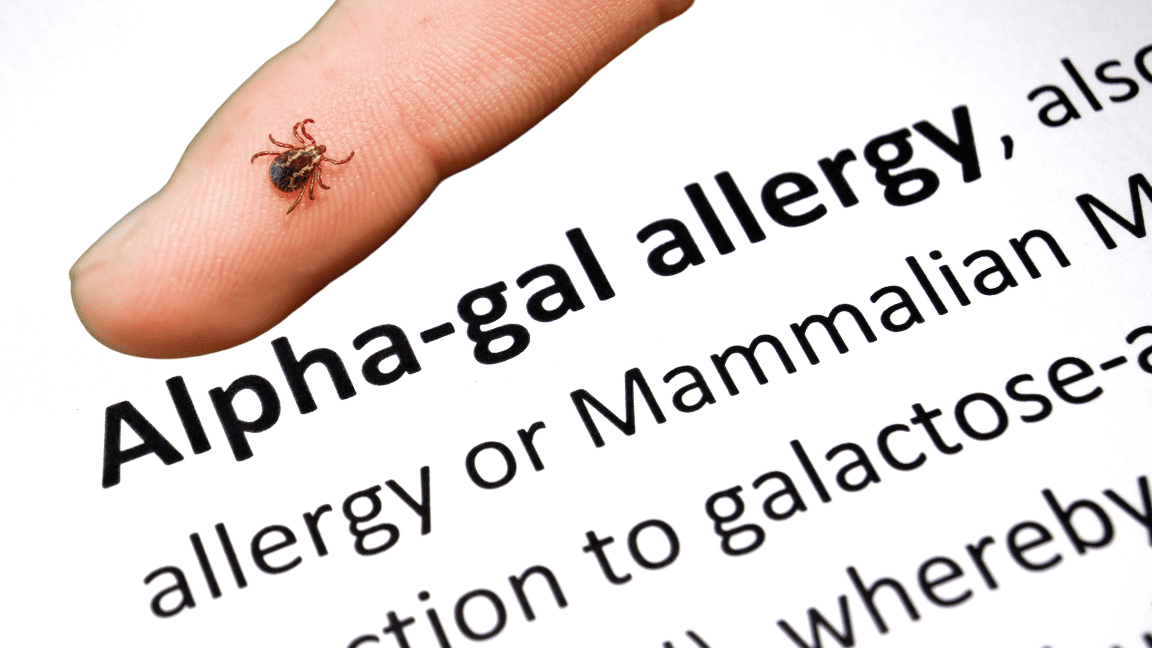
Summary: Alpha-gal syndrome (AGS) is an emerging tick-borne allergy to alpha-gal, a sugar found in mammals and products derived from them. These products include food, drugs, personal care and other products. Up to half a million Americans are estimated to be affected by AGS; most live in high-prevalence states in the South, Midwest, and EastRead More

Summary: Farming is one of the most dangerous occupations but also one of the most stressful. Yet, we often hear that farmers work through injuries, illnesses, or burnout even though doing so can delay recovery and in some cases, worsen their condition. In this webinar, Florence Becot from Pennsylvania State University and Andy Bater aRead More