• Emergency Planning for Farm Operations

    Summary: Safety planning is one of the most difficult to justify because you never know the amount of time, money, or lives you are saving for accidents that don't happen. With more children likely to be on the farm than ever before in history again this Fall, it is even more critical we take action for EmergencyRead More

  • Respiratory Protection Issues in Agriculture – What to Wear & Does It Fit?

    The business of agriculture presents a myriad of hazards, including exposures to dusts, molds, pesticides and other chemicals, gases, as well as welding fumes and particles. Deciding what protection to use to prevent acute and chronic respiratory diseases is confusing. In addition, just finding the right protective gear can be a challenge. This webinar willRead More

  • Safety in the Field: Addressing Workplace Sexual Harassment for Farm Workers

    Thirty-six percent of the 3.4 million producers counted in the census are women. Education will focus on all women including farmworker women and their employers on reporting violent incidents to authorities, making employees aware of their legal rights, safe work practices, medical referrals, treatment, and options including counseling if needed. Intended Audience: This training isRead More

  • Invest in Your Health: Hazard Mapping in the Ag Classroom

    This Train the Training course is designed for teachers, Extension staff, 4H and FFA leaders and others who work with young adults. Participants will learn about the Hazard Mapping curriculum and will be given access to all teacher and student materials after completing the webinar. At the conclusion of the program, participants/educators will be ableRead More

  • AgriSafe Think Tank: Racism and Agricultural Health

    This Think Tank Webinar will address racism as a public health crisis and its impact on the agricultural workforce. Your help is needed to identify, disrupt and dismantle racism to protect the well being of agricultural producers of Black, Indigenous and People of Color (BIPOC) ethnicities. AgriSafe is committed to fostering dialogue across the nationRead More

  • Ergonomic Safety for Farm Women

    It is no secret - women are playing an increased role in production agriculture. They account for about one-third of the management, ownership and work on farms, ranches and in crop production. A major challenge continues to be access to protective equipment that meets the ergonomic needs of women. This program is intended to helpRead More

  • Farm Theater: A Unique Approach to Health and Safety

    Summary: Farm Dinner Theater is an award winning intervention that is changing the actions of farm families for their health and safety. Based on a four year NIOSH research project, Dr. Reed will walk the audience through the development, history, evaluation and evolution of the Farm Dinner Theater. Since the research project ended communities have usedRead More

  • Reducing the Risk of Adverse Pregnancy Outcomes and Perinatal Illness for Female Agricultural Producers

    Pregnancy and fertility are often not considered when women assume farm tasks. Pesticide and other chemical exposures, zoonotic diseases and heavy lifting particularly during childbearing years, present challenges. At the end of the presentation, participants will be able to: Identify unique exposures/risks associated with farm tasks. Identify at least four reproductive health and safety issuesRead More

  • Invest in Your Health: Prevention of Zoonotic Diseases

    This Train the Trainer course is designed for teachers, Extension staff, 4H and FFA leaders and others who work with young adults. Agricultural producers are at high risk for acquiring a zoonotic disease related to their work environment with minimal information related to risks, symptoms and prevention. The majority of emerging infectious diseases in theRead More

  • Prevention of COVID-19 Among the Agricultural Industry – Contact Tracing

    Summary: The emergence of severe acute respiratory syndrome coronavirus 2 (SARS-CoV-2) and associated coronavirus disease 19 (COVID-19) has profoundly affected humans on a global scale in a noticeably short time. Individuals working in agriculture who, as “essential workers", are exempt from stay-home mandates, and are naturally at increased risk of negative health, economic, social, and familial consequencesRead More

  • Dispelling Misinformation about the COVID19 Vaccine: What Agricultural Producers Need to Know

    Summary: Studies show that COVID-19 vaccines are very effective at keeping you from getting COVID-19. Now that there are authorized and recommended COVID-19 vaccines in the United States, accurate vaccine information is critical. COVID-19 vaccination will be an important tool to help stop the pandemic. While more COVID-19 vaccines are being developed as quickly asRead More

  • Tools for Healthcare Professionals Working in Agricultural Communities

    Summary: In this webinar, attendees will learn about tools they can make use to enhance healthcare services for their farming and ranching patients. Alex Cavanaugh from the Rural Health Information Hub (RHIhub) will provide a general overview of services including: Rural Response Issue Guides for COVID-19, Farmer Mental Health and Suicide Prevention resources, and theRead More

  • Talking to Farmers About Pain

    The occupational hazards that farmers face put them at greater risk for acute and chronic pain as a result of ergonomic repetition, accident, or surgical procedure. Addressing specific occupational sources of pain and what activities the pain inhibits are crucial to improving treatment. This module will focus on how to transform the conversation between providerRead More

  • Anhydrous Ammonia Safety for Farmworkers

    Summary: Anhydrous ammonia (NH3) is an effective nitrogen crop fertilizer used throughout the Midwest and beyond.  Anhydrous ammonia is potentially dangerous, as it seeks water from the nearest source, which may be the human body – especially the eyes, lungs, and skin because of their high moisture content.  Few problems occur when anhydrous ammonia is handled properly and applied asRead More

  • Best PPE to Protect Your Lungs

    Summary:  Respiratory protection strategies for women working in agriculture can be a challenge.  Purchasing respiratory protective equipment and achieving proper fit is often difficult. This one hour webinar program will address dangerous exposures in agricultural work and the importance of respiratory protective equipment for women. It will include training tips and evidence-based resources for useRead More

  • Practical Solutions for Heat-Related Illness Prevention for Agriculture

    Summary: Agricultural workers are at high risk of heat-related illness, and recent field studies point to specific risk factors and solutions. This webinar is intended to prepare agricultural safety and health professionals for the upcoming summer season. We will share practical and evidence-based solutions for the prevention of heat-related illness in the agricultural work environment. Objectives:Read More

  • Aging and Parkinson’s Disease in Agriculture

    Summary: Parkinson's disease impacts over one million people living in the United States. People living in rural areas may not have access to specialists and getting diagnosis may be difficult. Rural health care providers and agricultural professionals need to develop an awareness of this neurodegenerative disorder and understand the effects on agricultural work. Participants will learnRead More

  • Safety Sensitivity of Opioid Use in High Hazardous Industries Such as Agriculture

    The American College of Occupational and Environmental Medicine released recommendations for opioid prescribing based on safety-sensitive occupations. Safety-sensitive work is typically classified as operating motor vehicles, modes of transportation, other heavy machinery, or tasks requiring high levels of cognitive function or judgment. Farm duties frequently demand the use of heavy machinery, and concurrent use ofRead More

  • What to Expect While Expecting- For Female Producers & Farmworkers in Ag

    Summary: Pregnancy and fertility are often not considered when women assume farm tasks. Pesticide and other chemical exposures, zoonotic diseases and heavy lifting particularly during childbearing years, present challenges. Objectives: At the end of the presentation, participants will be able to: - Identify unique exposures/risks associated with farm tasks. - Identify at least four reproductiveRead More

  • Addressing Military Needs in Agriculture

    Summary: Veterans have a long history of service to our country through military service and through agriculture. The 2017 USDA report added a new special category of producers: “Producers with Military Service”. This report identified that 370,019 men and women agriculture producers claimed the title of US veteran, with 294,974 of them having spent more thanRead More

  • Zoonotic Disease and Pregnancy: A Deeper Dive

    Summary: Zoonotic Diseases are transmitted between farm animals and humans and can pose additional risks to those who are pregnant. According to the World Health Organization, more than half of all human pathogens are zoonotic and have represented nearly all emerging pathogens during the past decade. Farmers and farm workers have higher levels of risk forRead More

  • Assessment of Opioid Misuse Risk Among Farmers in the Clinical Setting

    Prescription opioids are often the first-line therapy to treat chronic and acute pain among farmers. Prescribing opioids to farmer populations that may not seek regular treatment or have access to alternative therapies increases the risk for potential opioid misuse. Properly assessing for these characteristics among other abuse or addiction risk factors, is critical in providingRead More

  • Invest in Your Health: Cultivating a Healthy Mind

    Summary: Stigma exists across all age groups for those struggling with mental health. Navigation of the teen years in everyday situations can create angst and uncomfortable feelings that are difficult to express. Adding mental illness and mental crisis to a teen or young adult’s typical growth and development makes struggling with emotions, relationships, academic success, andRead More

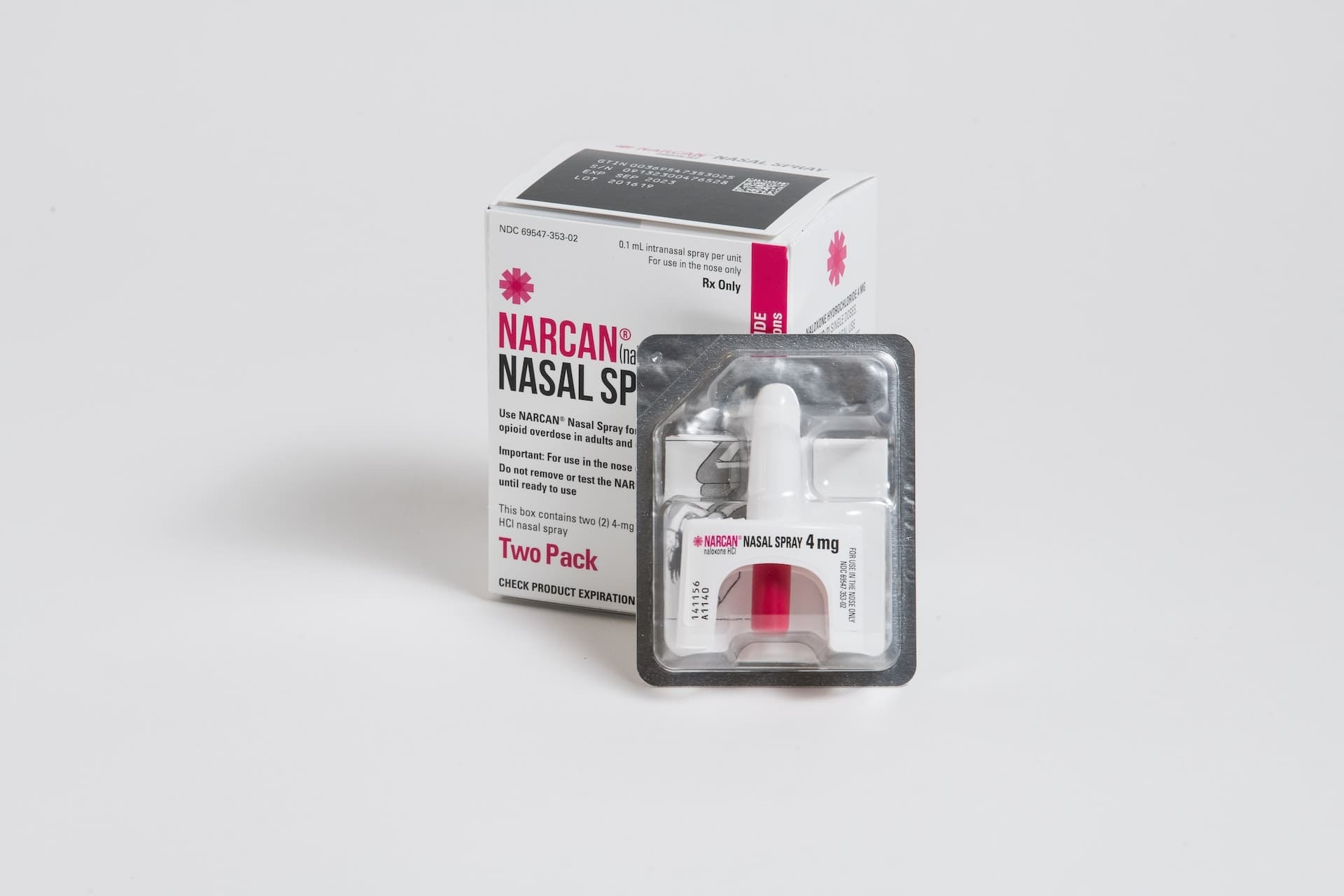
  • Using Naloxone to Reverse Opioid Overdose in the Agricultural Workplace: Information for Employers and Workers

    In 2018, the U.S. Surgeon General called for increased awareness and availability of naloxone, the opioid antagonist, to reverse the effects of opioid overdose. Despite the rise in the dispensing of naloxone, there is a significant gap in our response across all sectors of society. In the rural parts of our country, where emergency responseRead More

  • Wildfire Health Threats: Risk Factors for Farmers and Ranchers

    Summary: Wildfires have become a persistent health threat for people working in agriculture. This webinar will focus on understanding the risks of exposure to wildfire smoke and potential strategies for responding to protect human health. Best practices for protecting worker health will be shared based on California's requirements along with resources for talking with agriculturalRead More