
• Webinar: Chainsaw Safety Training

    Summary: The Chainsaw Safety training program is intended for workers and managers in the agricultural and forestry industries.  The major focus of the program is on the identification of and the safe operation of chainsaws.  According to the Centers for Disease Control and Prevention (CDC), approximately 36,000 people are injured by chainsaws annually. Intended Audience: ThisRead More

  • Webinar: Preventing Workplace Violence for Forestry Workers

    Summary: Forestry and logging workers are exposed to a range of biological hazards, extreme weather, accidents, and – especially for women– assault. Workplace violence is violence or the threat of violence against workers. This training will review the many forms of workplace violence among co-workers, including sexual harassment. The federal Occupational Safety and Health ActRead More

  • NFSHW23: Chainsaw Safety Training

    NFSHW2024

    Summary: The Chainsaw Safety training program is intended for workers and managers in the agricultural and forestry industries.  The major focus of the program is on the identification of and the safe operation of chainsaws.  According to the Centers for Disease Control and Prevention (CDC), approximately 36,000 people are injured by chainsaws annually. Intended Audience: ThisRead More

  • Webinar: Stress Control Strategies for the Forestry and Timber Workforce

    Summary: Stress can directly impact safety. Whether managing forestry wildfires or working long strenuous days harvesting and hauling timber, the forestry and logging workforce face unique situations that can predispose workers to stress and challenges to mental well-being. The agriculture, forestry, fishing, and hunting (AgFF) industries has one of highest percentages of deaths by suicide.Read More

  • Webinar: Musculoskeletal & Ergonomic Safety for Forest Workers

    Summary: Forest workers face unique ergonomic challenges due to their exposure to extreme environmental conditions, heavy workload, and dangerous tools and machines. The forest sector has one of the highest rates of Musculoskeletal Disorders (MSDs), almost 100 times higher than the industrial targets the National Institute for Occupational Safety & Health (NIOSH) set. This programRead More

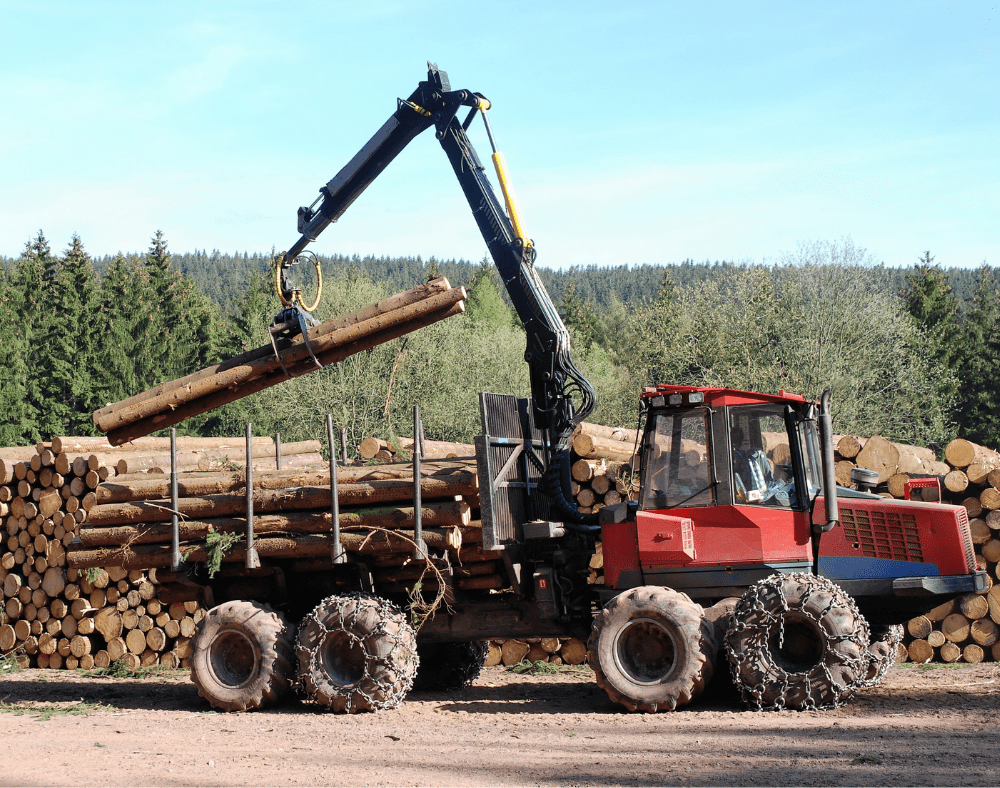
  • Webinar: Preventing Workplace Violence for Forestry Workers

    Summary: Forestry and logging workers are exposed to a range of biological hazards, extreme weather, accidents, and – especially for women– assault. Workplace violence is violence or the threat of violence against workers. This training will review the many forms of workplace violence among co-workers, including sexual harassment. The federal Occupational Safety and Health ActRead More

  • Webinar: A Review of the Literature for Forestry Health and Safety: The Last Ten Years

    Summary: Foresters and loggers work in the most hazardous industries with high job-related injury, illness, and fatality rates. This workforce faces unique environmental exposures, ergonomic challenges, and health disparities across all ages. The last comprehensive literature review in forestry health and safety for NIOSH was completed in 2012. Under a NIOSH IPA project, AgriSafe conductedRead More

  • Webinar: Musculoskeletal & Ergonomic Safety for Forest Workers

    Summary: Forest workers face unique ergonomic challenges due to their exposure to extreme environmental conditions, heavy workload, and dangerous tools and machines. The forest sector has one of the highest rates of Musculoskeletal Disorders (MSDs), almost 100 times higher than the industrial targets the National Institute for Occupational Safety & Health (NIOSH) set. This programRead More

  • Webinar: Preventing Workplace Violence for Forestry Workers

    Summary: Forestry and logging workers are exposed to a range of biological hazards, extreme weather, accidents, and – especially for women– assault. Workplace violence is violence or the threat of violence against workers. This training will review the many forms of workplace violence among co-workers, including sexual harassment. The federal Occupational Safety and Health ActRead More

  • Webinar: Chainsaw Safety Training

    Summary: The Chainsaw Safety training program is intended for workers and managers in the agricultural and forestry industries.  The major focus of the program is on the identification of and the safe operation of chainsaws.  According to the Centers for Disease Control and Prevention (CDC), approximately 36,000 people are injured by chainsaws annually. Intended Audience: ThisRead More

  • Webinar: Hearing Loss Prevention for Forest Workers

    Summary: Hearing loss is common, especially among workers who are exposed to hazardous noise where they work. Forestry and Logging are among the top industry sectors for worker exposure to hazardous noise that can contribute to hearing loss. According to The National Institute for Occupational Safety and Health (NIOSH), noise-exposed workers in Forestry and Logging had a higher percentageRead More

  • Webinar: Stress Control Strategies for the Forestry and Timber Workforce

    Summary: Stress can directly impact safety. Whether managing forestry wildfires or working long strenuous days harvesting and hauling timber, the forestry and logging workforce face unique situations that can predispose stress and challenges to mental well-being. The agriculture, forestry, fishing, and hunting (AgFF) industries has one of highest percentages of deaths by suicide. Key factorsRead More

  • Webinar: Musculoskeletal & Ergonomic Safety for Forest Workers

    Summary: Forest workers face unique ergonomic challenges due to their exposure to extreme environmental conditions, heavy workload, and dangerous tools and machines. The forest sector has one of the highest rates of Musculoskeletal Disorders (MSDs), almost 100 times higher than the industrial targets the National Institute for Occupational Safety & Health (NIOSH) set. This programRead More
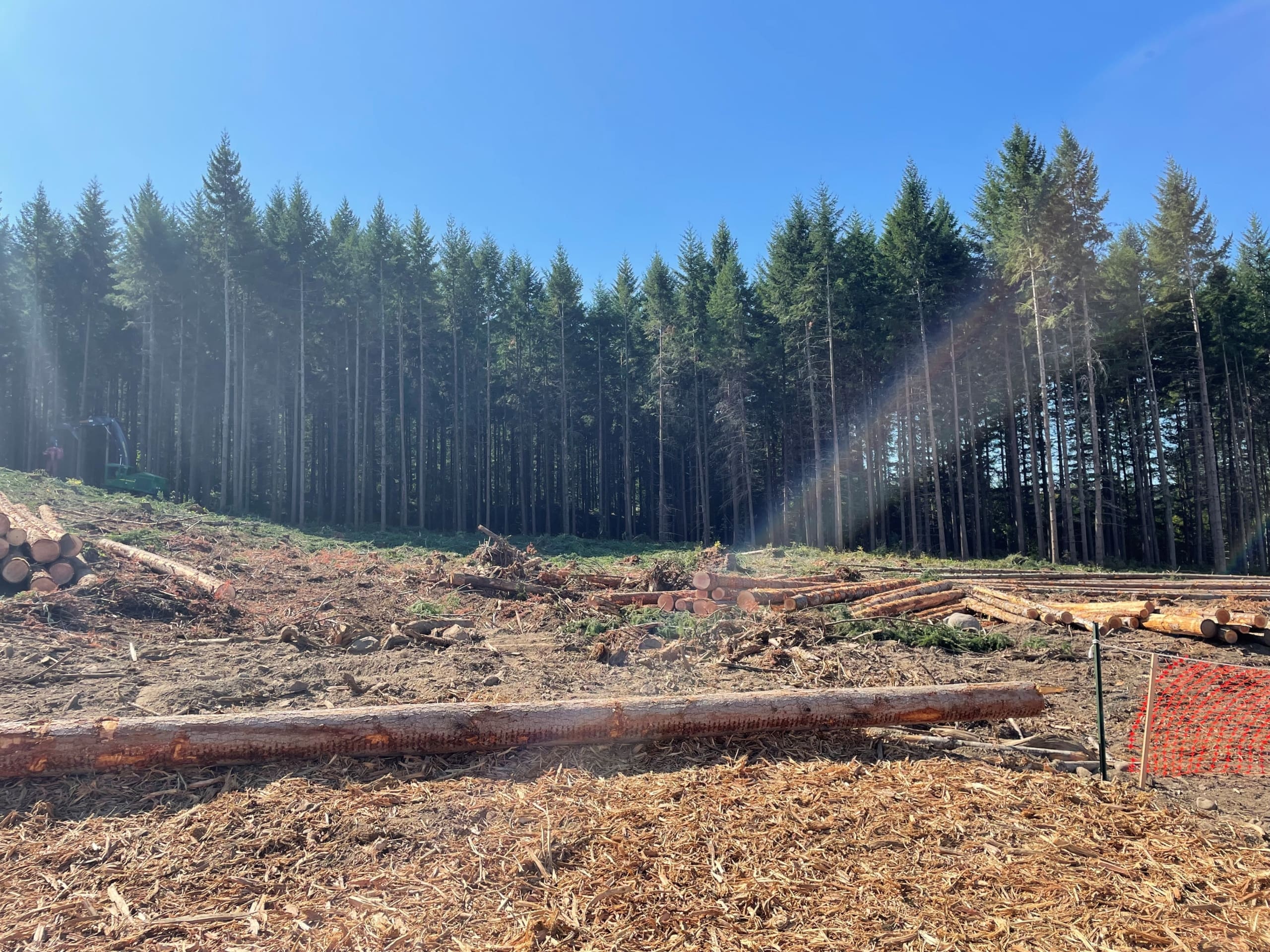
  • Webinar: Combating Heat and Cold Stress for Forestry Workers

    Summary: Forestry workers may be subject to extreme heat and cold. Working outdoors makes people more likely to become dehydrated and experience heat-related illness or heat stress. High temperatures reduce work capacity and may lead to heat stress and dehydration. Although exposure to heat stress is preventable, thousands become sick from occupational heat exposure everyRead More

  • Webinar: Skid Loader Safety

    Summary: Skid loaders are useful and versatile machines in the hands of appropriate operators. To utilize them to their utmost, we must understand there is inherent risk in the operation of the machine. This class will talk over some of the basics of skid loader operation including why there should be no passengers, proper transport, safety features,Read More

  • Webinar: Combating Heat and Cold Stress for Forestry Workers

    Summary: Forestry workers may be subject to extreme heat and cold. Working outdoors makes people more likely to become dehydrated and experience heat-related illness or heat stress. High temperatures reduce work capacity and may lead to heat stress and dehydration. Although exposure to heat stress is preventable, thousands become sick from occupational heat exposure everyRead More

  • Webinar: Preventing Workplace Violence for Forestry Workers

    Summary: Forestry and logging workers are exposed to a range of biological hazards, extreme weather, accidents, and – especially for women– assault. Workplace violence is violence or the threat of violence against workers. This training will review the many forms of workplace violence among co-workers, including sexual harassment. The federal Occupational Safety and Health ActRead More

  • Webinar: Musculoskeletal & Ergonomic Safety for Forest Workers

    Summary: Forest workers face unique ergonomic challenges due to their exposure to extreme environmental conditions, heavy workload, and dangerous tools and machines. The forest sector has one of the highest rates of Musculoskeletal Disorders (MSDs), almost 100 times higher than the industrial targets the National Institute for Occupational Safety & Health (NIOSH) set. This programRead More

  • Webinar: Combating Heat and Cold Stress for Forestry Workers

    Summary: Forestry workers may be subject to extreme heat and cold. Working outdoors makes people more likely to become dehydrated and experience heat-related illness or heat stress. High temperatures reduce work capacity and may lead to heat stress and dehydration. Although exposure to heat stress is preventable, thousands become sick from occupational heat exposure everyRead More

  • Webinar: Hearing Loss Prevention for Forest Workers

    Summary: Hearing loss is common, especially among workers who are exposed to hazardous noise where they work. Forestry and logging are among the top industry sectors for worker exposure to hazardous noise that can contribute to hearing loss. According to the National Institute for Occupational Safety and Health (NIOSH), noise-exposed workers in forestry and loggingRead More