• Webinar: Too Young to Plow Alone: Keeping Youth Safe on the Farm with AYWG & HAYWG

    Summary: This webinar will focus on practical strategies to ensure the safety and well-being of youth working on farms, using the Agricultural Youth Work Guidelines (AYWG) and the Hired Agricultural Youth Work Guidelines (HAYWG). This will underscore the importance of aligning job tasks with a child's developmental abilities, rather than age alone, to prevent injuryRead More

  • Webinar: Confined Spaces in Agriculture

    Summary: During this webinar, we will explore the dangers of confined spaces in agriculture, including grain bins and manure pits, and the hazards involved in working with each. Objectives: At the end of this webinar, participants will be able to... Raise awareness regarding the high incidence of farm injuries and fatalities. Increase knowledge of the seriousRead More

  • Webinar: AgriSafe Natural Disaster Recovery Response Think Tank

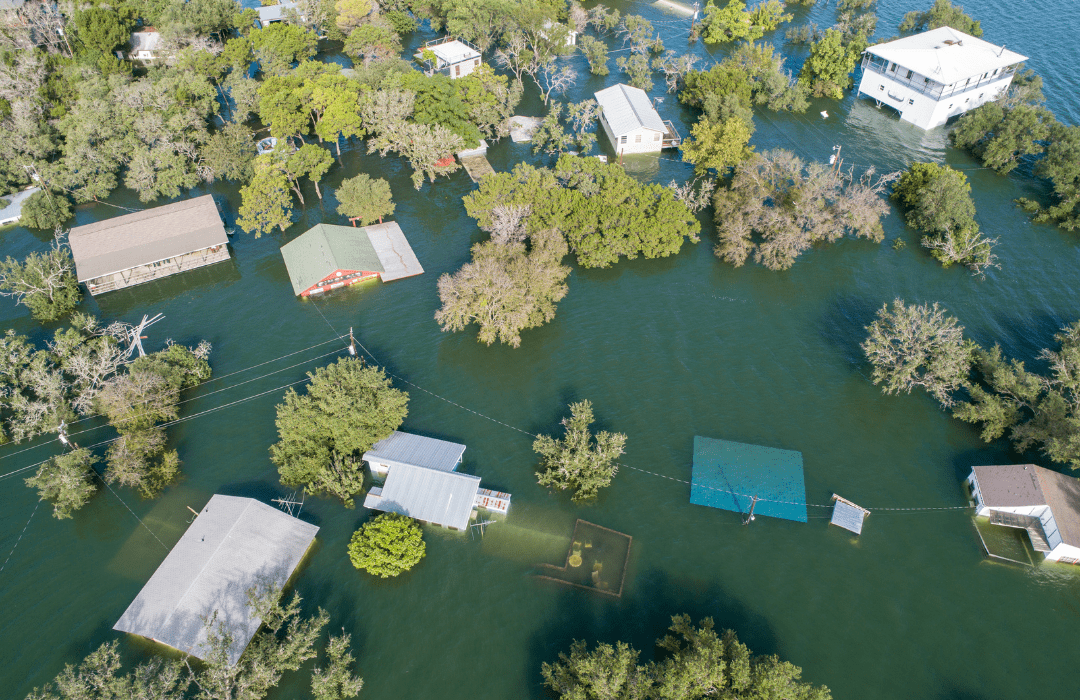
    Summary: Join AgriSafe for a dynamic and collaborative session focused on strengthening disaster readiness, response, and recovery efforts in agricultural and rural communities. This think tank will explore existing resources, highlight critical gaps in infrastructure and preparedness, and facilitate a collective dialogue on how to build more resilient systems. Natural disasters can strike without warning, and being prepared canRead More

  • Webinar: Safe Operation of ATVs and UTVs for Agriculture

    Summary: Explore the leading causes of injuries and fatalities involving ATVs and UTVs in agricultural settings. Learn practical safety strategies and best practices to help prevent accidents and protect the agricultural community. Objectives: At the end of this webinar, participants will be able to: To raise ATV and UTV owners and operators' awareness of the hazardsRead More

  • Webinar: Wheels of Misfortune: Off-Road Vehicles on Public Roadways

    Summary: Off-road vehicles, including all-terrain vehicles (ATVs) and utility task vehicles (UTVs) are extremely popular and a common source of injury and death in rural areas, especially farms and ranches. While the use of ATVs/UTVs on public roadways increases the likelihood of a crash with another vehicle, the majority of roadway deaths and an even higherRead More

  • Webinar: QPR for Farmers and Farm Families

    What is QPR? QPR training teaches laypeople and professionals to recognize and respond to mental health crises using the approach of Question, Persuade and Refer. To attend this training participants must be 18 years of age or older. In this 1.5-hour QPR training, we will provide: Information on the unique challenges farmers face that canRead More

  • Webinar: New World Screwworm – Information for Healthcare Providers

    Summary: This session will review the clinical features, specimen handling, epidemiologic clues, and reporting steps for New World screwworm myiasis so clinicians can recognize when to consider this rare but serious parasitic infestation, emphasizing that common wound etiologies remain far more likely and that screwworm should be a low-probability diagnosis except when compatible wounds, visible larvae,Read More

  • Webinar: Naloxone Training: Responding to Opioid Overdose

    Summary: Overdose deaths are a leading cause of injury-related death in the United States and the majority of overdose deaths involve opioids. This epidemic is impacting communities all across the country. Naloxone is a life-saving medication that can reverse an overdose from opioids when given in time. This session is designed to prepare communities andRead More

  • Webinar: QPR for Farmers and Farm Families

    What is QPR? QPR training teaches laypeople and professionals to recognize and respond to mental health crises using the approach of Question, Persuade and Refer. To attend this training participants must be 18 years of age or older. In this 1.5-hour QPR training, we will provide: Information on the unique challenges farmers face that canRead More

  • NFSHW26: Pathways to Progress: Safer Routes, Stronger Communities

    NFSHW26

    Summary: Each fall, traffic and activity increase on our rural roadways. Tractors and farm equipment are on the move and share the road with other vehicles, cyclists, pedestrians, and school buses back on their daily routes. Unfortunately, this increased activity increases preventable roadway incidents—often caused by distractions, limited visibility, or simply being in a rush.Read More

  • NFSHW26: These Shared Roads: Using Stories in Rural Roadway Safety Education

    NFSHW26

    Summary: During this presentation, we will show a (<10-minute) new testimonial video featuring a family who lost their dad to a tractor/motor vehicle collision. The presentation will describe the benefits to using stories in rural roadway outreach and education. Strategies and best practices will be described and there will be built-in opportunities for audience engagement.Read More

  • NFSHW26: CALM Conversations on Access to Lethal Means

    NFSHW26

    Summary: CALM Conversations on Access to Lethal Means is a suicide prevention training that encourages the safe storage of lethal means (firearms and medications) during a suicidal crisis. By temporarily putting time and distance between a suicidal person and highly lethal means, a life may be saved. CALM: Counseling on Access to Lethal Means was originally created as a workshopRead More

  • NFSHW26: Noise in Agriculture: An Overlooked Occupational Hazard

    NFSHW26

    Summary: Agricultural workers experience some of the highest rates of occupational noise exposure in the United States, yet hearing conservation has received far less attention in agriculture than in other high-risk industries. This webinar will review current evidence on noise exposure and hearing loss among agricultural workers, with a particular focus on field workers inRead More

  • NFSHW26: The Cost of Fatigue in Agriculture: Practical Solutions to Protect Workers and Increase Productivity

    NFSHW26

    Summary: Fatigue among agricultural workers is a significant yet underrecognized occupational health and safety hazard, with important implications for injury risk, productivity, and long-term health outcomes. Agricultural workers are particularly vulnerable to fatigue due to a combination of factors, including long work hours, irregular schedules, inadequate sleep duration and quality, physically demanding tasks, exposure toRead More